Italiano
 Polski

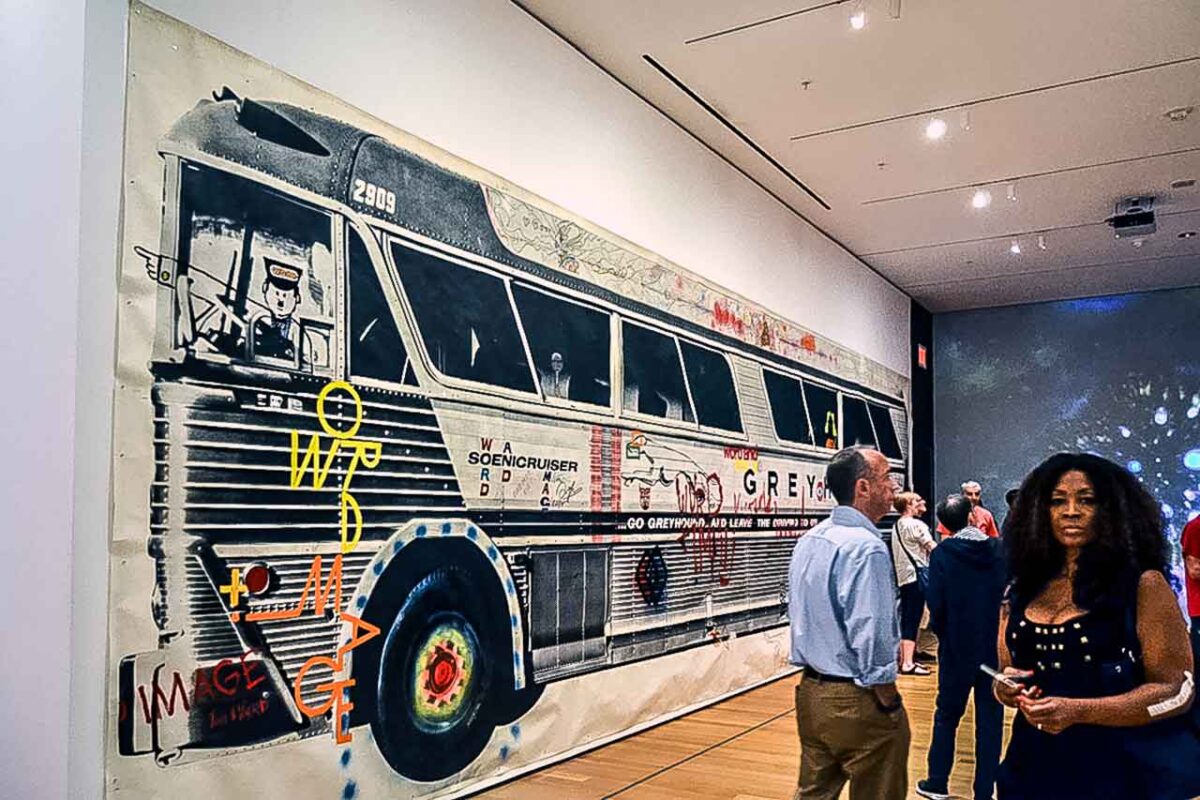
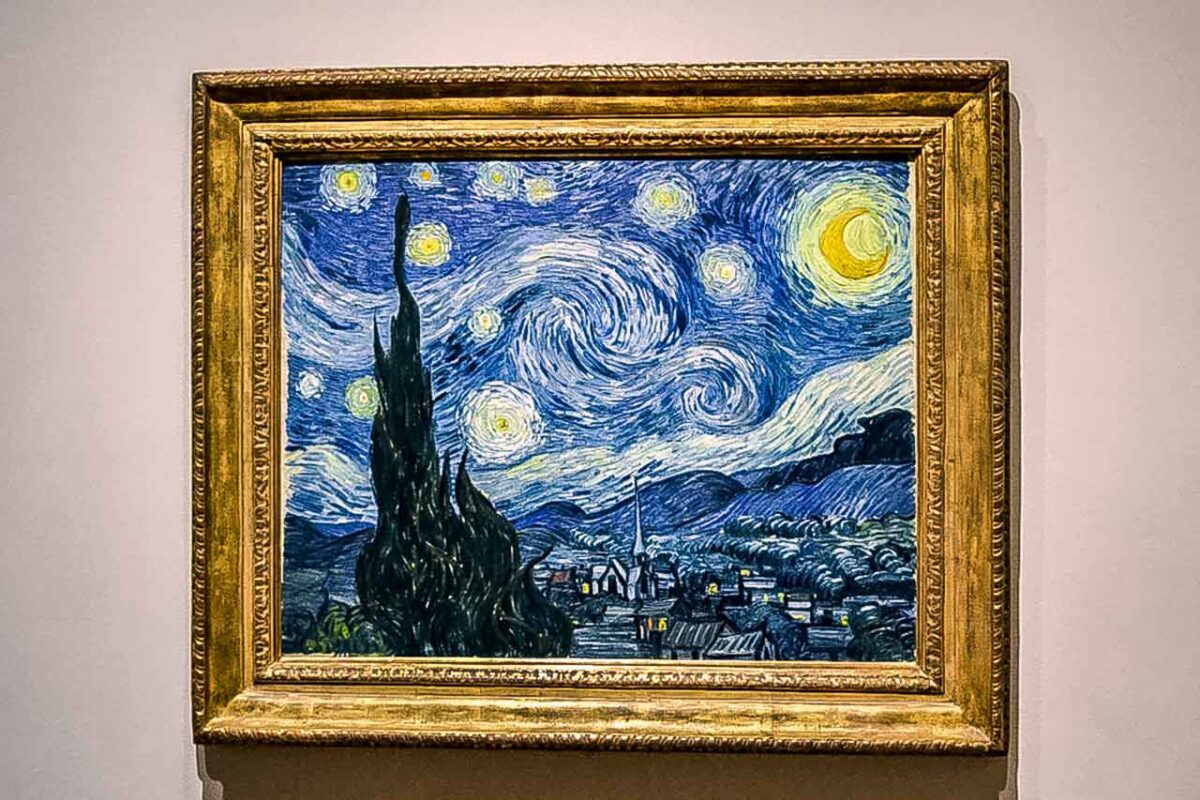
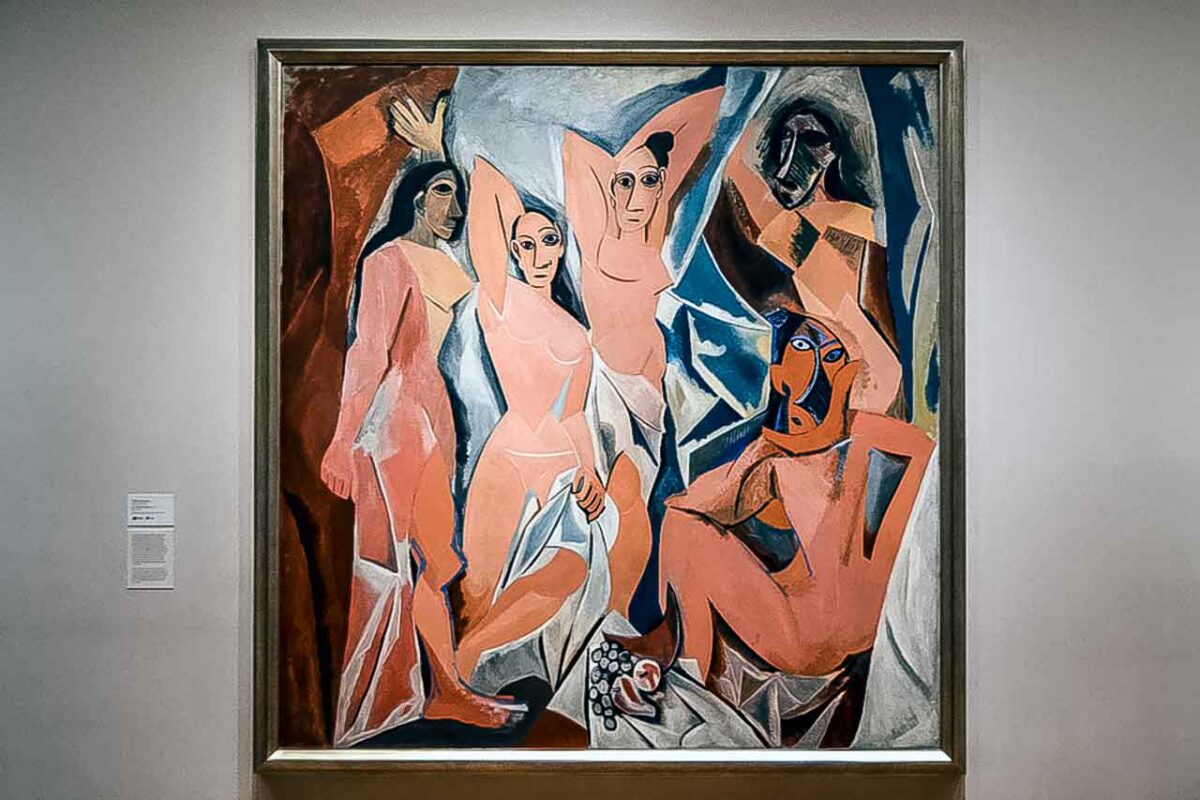
There are places in New York that are hard to describe in a single word – MoMA is definitely one of them. Each year, over 2.8 million people cross the threshold of the Museum of Modern Art, making it the 15th most visited art museum in the world. It’s an impressive statistic, but when you stand in front of Van Gogh’s “Starry Night” or Picasso’s “Les Demoiselles d’Avignon,” you will understand why this place attracts crowds from all over the world.
This is a museum where you will see paintings by masters alongside iconic posters, sculptures, photographs, multimedia installations, and even designer chairs. It’s definitely not a classic gallery where you view art from a distance – here you can get closer, see the details, and experience the works from a completely different perspective. MoMA attracts both connoisseurs and those who simply want to see something exceptional while in New York. If you love art and are looking for an inspiring place that surprises, this is definitely a must-see spot for you.
The History of MoMA
Three women: Abby Aldrich Rockefeller, Mary Quinn Sullivan, and Lillie P. Bliss and the beginnings of worldwide fame
The Museum of Modern Art was founded by three women: Abby Aldrich Rockefeller, Mary Quinn Sullivan, and Lillie P. Bliss. It was in 1929 that they decided to create a space for modern art in New York. It was a particularly challenging moment – the museum opened just nine days after the Wall Street Crash, a time when most Americans were thinking about survival, not wandering around exhibitions.
The first home of MoMA was on the 12th floor of the Heckscher Building on Fifth Avenue. There were only six rooms, and the budget was very limited. Even Abby’s husband, John D. Rockefeller Jr., was skeptical about the idea, considering modern art to be of little significance.
Everything changed in 1939, when the museum moved to its current location on 53rd Street in Midtown Manhattan. At the new location, MoMA organized the famous Picasso retrospective – an exhibition that became a permanent fixture in the history of 20th-century art.
A revolution in thinking about museums
Under the leadership of Alfred H. Barr Jr., the first director, MoMA was the first museum in the world to recognize photography and film as legitimate forms of art. Barr also introduced a multidisciplinary approach – alongside painting and sculpture, works from design, architecture, and electronic media began to appear in the collection.
Between 1953 and 2004, the museum was expanded several times. Philip Johnson, one of the most important American architects of the 20th century, created the Abby Aldrich Rockefeller Sculpture Garden. At the beginning of the 21st century, the Japanese architect Yoshio Taniguchi almost doubled the exhibition space, giving the complex the modern form we see today.
Collections and works you must see
In the MoMA collection, you will find over 200,000 works – from painting and sculpture to photography, installations, and design. These are works from the 1880s to the present day, showing you how styles, techniques, and the ways artists conveyed their vision of the world have changed over the last 140 years.
Famous paintings on the 5th floor – Picasso, Van Gogh, and other masterpieces
The fifth floor is like the heart of the museum and the best place to start your visit. It’s here, in Gallery 1, that you will see some of the most recognizable works in the entire collection:
Other works of European art on the fifth floor
After viewing Van Gogh, Picasso, and Chagall, also check out the rooms with European art from the late 19th and early 20th centuries. Here, you will see ‘Water Lilies‘ by Claude Monet, the study ‘The Dance (I)‘ by Henri Matisse, a significant post-impressionism painting ‘Bathers‘ by Paul Cézanne, and the surreal ‘The Persistence of Memory’ by Salvador Dalí. This collection of works showcases how artists evolved from observing nature and experimenting with color to simplifying forms and creating artistic visions.
American modern art – 4th floor
On the 4th floor, you’ll find works by artists who set a new direction for painting and pop culture in the 20th century. Among them are creators whose names have become synonymous with modern art.
Jackson Pollock is represented by two monumental works: ‘One: Number 31, 1950’ and ‘Number 1A, 1948’. Standing in front of these huge canvases (the larger one measuring 2.7 x 5.3 meters), you can literally feel the energy of the ‘action painting’ technique that Pollock introduced to the art world.
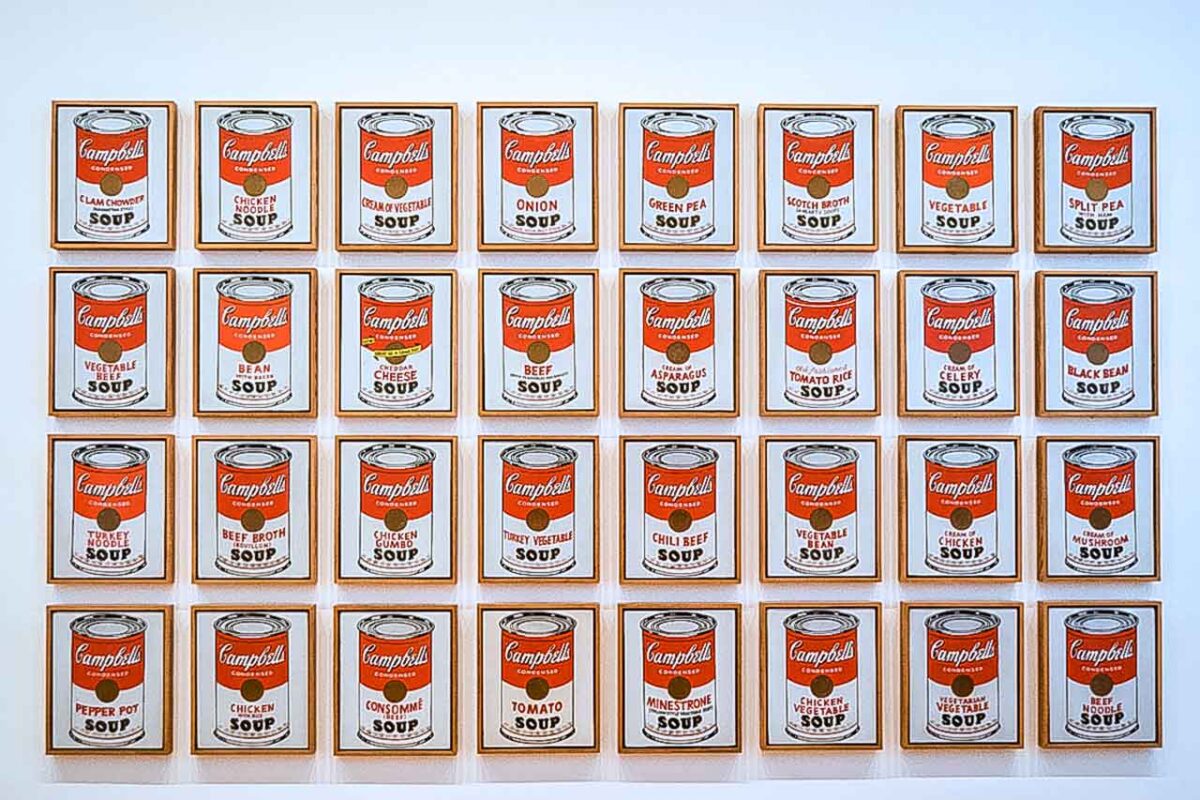
In the room dedicated to Andy Warhol, you will find his most famous pop-art works, including ‘Campbell’s Soup Cans’ (1962) – 32 canvases depicting different soup flavors, transforming an ordinary consumer product into an icon of art.
Temporary exhibitions – what to see in 2025
At MoMA, besides the permanent collection, it’s always worth checking out the temporary exhibitions. These change several times a year and often become the most talked-about events of the season in New York’s art scene. In 2025, the planned events include:
“Hilma af Klint: What Stands Behind the Flowers” – works by the Swedish artist considered a pioneer of abstract art.
“Joan Jonas: Good Night Good Morning” – a retrospective of one of the most important pioneers of video art.
“Käthe Kollwitz” (March 31 – July 20) – a comprehensive presentation of the German graphic artist and sculptor’s work.
“LaToya Ruby Frazier” (May 12 – September 7) – contemporary documentary photography.
How to visit the Museum of Modern Art in New York?
Museum layout and visiting strategy
MoMA has six floors, but you don’t have to see everything in one visit. It’s worth planning your route to avoid fatigue and crowds.
How much time to plan?
Best visiting hours (fewer crowds)
Hours with the longest queues
Additional attractions and free entries
UNIQLO Friday Nights – every Friday from 5:30 PM to 8:30 PM, New York State residents can enter MoMA for free (advanced reservation required). During this time, all exhibitions are open, and there are also film screenings and special events.
MoMA PS1 – a ticket to MoMA entitles you to free entry to MoMA PS1 in Queens within 14 days of your visit. This museum branch is dedicated to experimental art and performances.
Family amenities – workshops are available for children aged 5 and up, special audio guides, and stroller-friendly spaces (escalators cannot be used with a stroller).
Practical information for the year 2025
Ticket prices
Opening hours
MoMA is open daily, except on Thanksgiving and Christmas
Location and access
11 West 53rd Street, New York, NY 10019
- E, M lines – 5 Av/53 St station (nearest)
- B, D, F, M lines – 47-50 St/Rockefeller Center station (5-minute walk)
lines M1, M2, M3, M4, M5
tell the driver ‘MoMA on 53rd Street between Fifth and Sixth’
Accessibility at MoMA
The museum is fully accessible for people with different needs. Available on-site:
Additional amenities
Shops and restaurants
Before you enter the museum, check out the MoMA Design Store – entry is free, and you can spend a lot of time here. It’s a great place if you’re looking for design gadgets, art books, clever toys, or reproductions of famous works.
If you get hungry while touring, there are several options. The Modern is an elegant restaurant with two Michelin stars – perfect for a special evening (reservations are required). For a more casual option, visit Café 2, where you can pop in for lunch between the galleries. Meanwhile, Terrace Café offers views of the Sculpture Garden, and a quick coffee or snack awaits at the Espresso Bar.
Sculpture Garden
Abby Aldrich Rockefeller Sculpture Garden is one of the most beloved spots at MoMA. It’s an open courtyard with a collection of contemporary sculptures, surrounded by greenery and designed for taking a break from the museum halls. Access to the garden is included with admission, so it’s worth taking a moment to sit and see art in a slightly different setting – outdoors, in the middle of Manhattan.
Mobile App
Before visiting, it’s worth downloading the free MoMA app. It allows you to use audio guides in nine languages (unfortunately, Polish is not available yet), check the interactive museum map, learn more about current exhibitions, and plan your own tour route. This is a significant convenience, especially if you don’t like walking around with a paper map in hand.
Tips
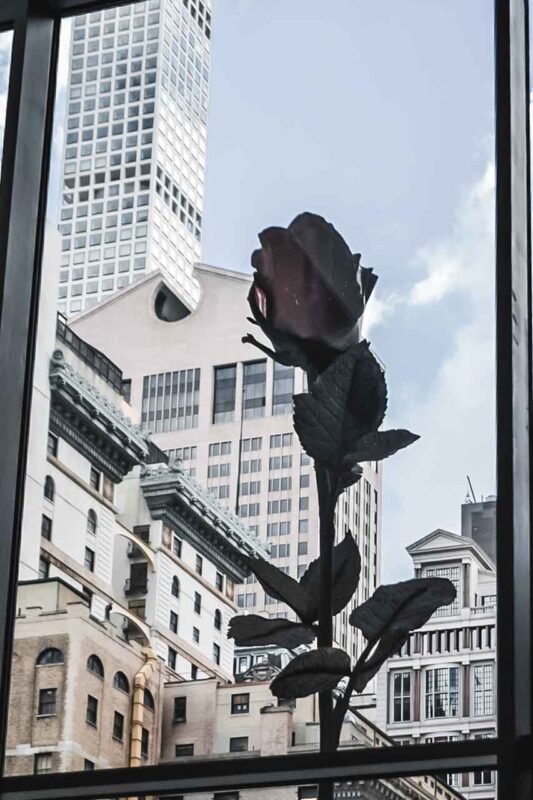
If you only have an hour, it’s best to head straight to 5th floor. In Gallery 1, you’ll see Van Gogh’s “Starry Night” and Picasso’s “Les Demoiselles d’Avignon.” Then move to Gallery 7 where Pollock’s monumental canvases hang, and finally to Gallery 13 to catch a glimpse of Andy Warhol’s iconic “Campbell’s Soup Cans.” This quick route allows you to see MoMA’s top hits.
You can take photos in most rooms, but without flash. Wherever photography is prohibited, you’ll find clear signs. The basic rule applies – we only look with our eyes, no touching. And it’s best to leave the selfie stick at the hotel.
If you’re looking to save money, it’s worth checking out city cards like New York CityPASS or Go City – they can reduce sightseeing costs by up to 40%, especially if you plan to visit other attractions.

NOTICE! If you prefer New York CityPass, you need to choose the C-All option, as MoMA is not included in the standard CityPass.
Combining a visit to the Museum of Modern Art with other attractions on Manhattan
MoMA is located in the heart of Midtown, so you can walk to other famous places within minutes. Just two blocks south is the Rockefeller Center with the Top of the Rock observation deck, and if you walk a bit further, you’ll reach Times Square. In the other direction, to the north, begins Central Park, perfect for a short walk after the museum.
You also can’t miss Fifth Avenue, which runs right next door – it is one of the most famous shopping streets in the world.
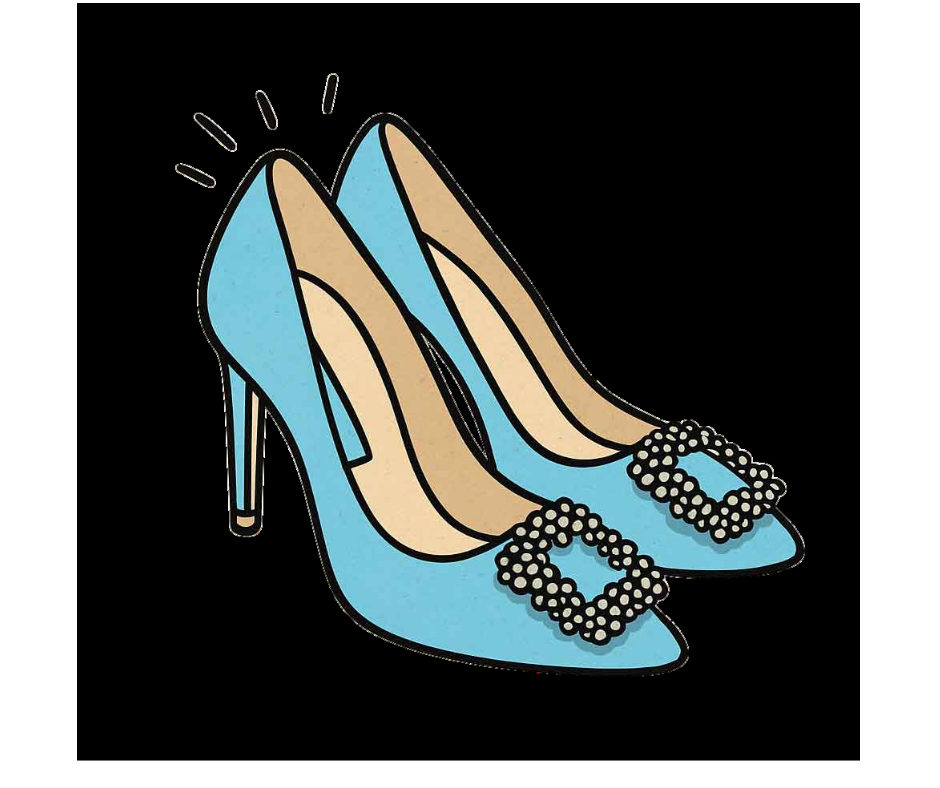
Exiting the museum on 54th Street, almost opposite, you will find the boutique of Manolo Blahnik, the iconic shoe designer and favorite of Carrie Bradshaw from “Sex and the City” :).
FAQ – Frequently Asked Questions
No, but there are cafés and restaurants inside.
Yes, just keep your ticket.
Yes, for groups of 10 or more – with the option of a guided tour.
MoMA does not have a cloakroom, so it’s best to use nearby services like Bounce or LuggageHero.
Children and teens under 16 enter for free, but a free timed-entry ticket is still required.
The museum does not have its own parking. Nearby garages cost about $30–50 per day.
Yes, group tours (10+ people) are available, as well as audio guides in the app.
Early mornings on weekdays or Friday afternoons after 4:00 PM.
Is it worth visiting MoMA?
MoMA is more than just a museum – it’s a place where you can see how art and human imagination have changed over the last 150 years. From the vibrant visions of Van Gogh, through the geometric compositions of Mondrian, to the expressive canvases of Pollock – each work shows a different way of looking at the world. And as a complete layman, I have to say that I really liked this museum.
During your visit, don’t rush. It’s not a race, but an opportunity to pause for a moment and give yourself time for the artworks that will make the greatest impression on you. Because art works best when you can really feel it.