Italiano
 Polski

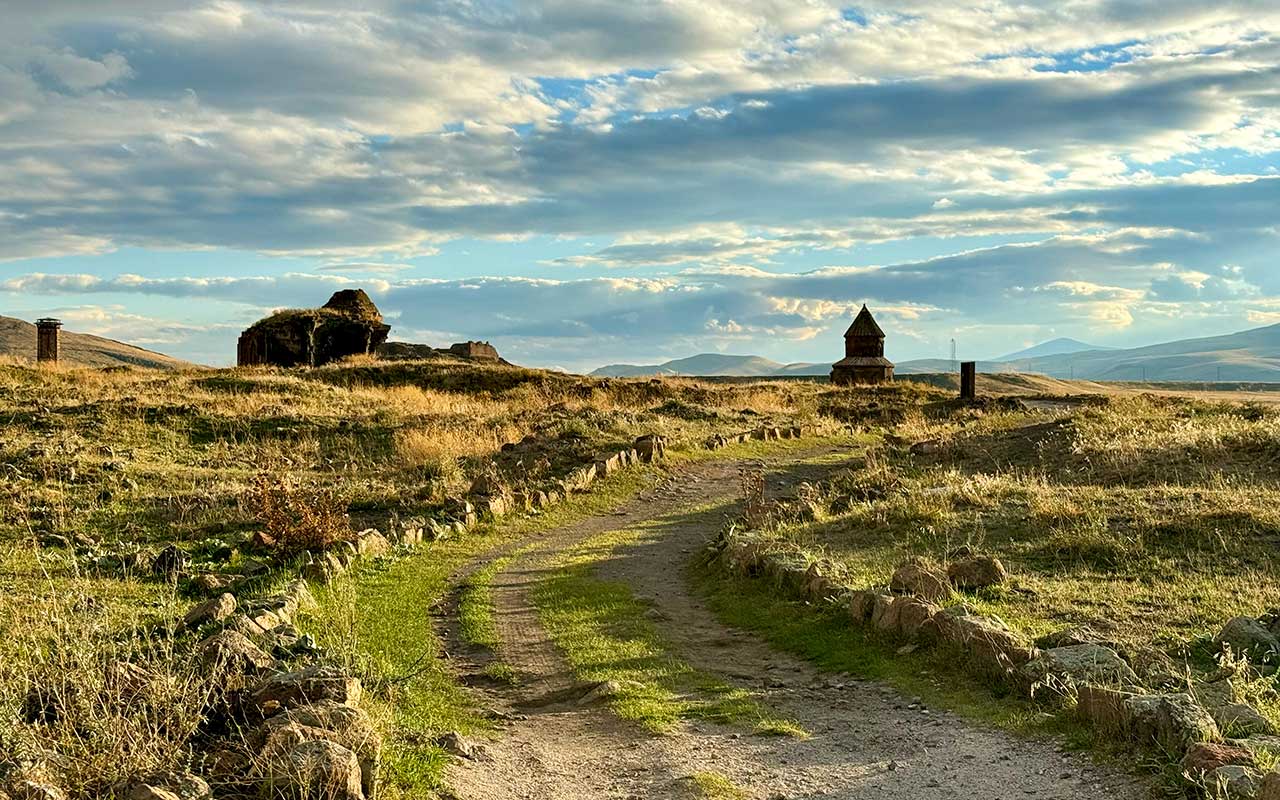
Ani in Turkiye: The Lost City of 1001 Churches
Traveling through the Turkish steppes, approaching the border with Armenia, we encounter a place that, although in ruins today, still tells a fascinating story of its former glory and power. Ani, the lost city of 1001 churches, once thrived as an important cultural, religious, and commercial center on the Silk Road. Today, its ruins attract travelers, historians, and architecture enthusiasts from all over the world, offering a unique insight into the history of Armenia and Turkey.
Ani was once an important meeting point of many cultures and religions. This city, situated at the crossroads of great trade routes, had an extraordinary atmosphere of diversity. Numerous churches, mosques, and other sacred structures reveal how complex Ani’s history was and how many influences permeated this place over the centuries. Today, wandering through the ruins of Ani, one can almost feel the echo of its former glory and appreciate the craftsmanship of ancient builders who created architectural marvels that stand as testimonies of a bygone era.
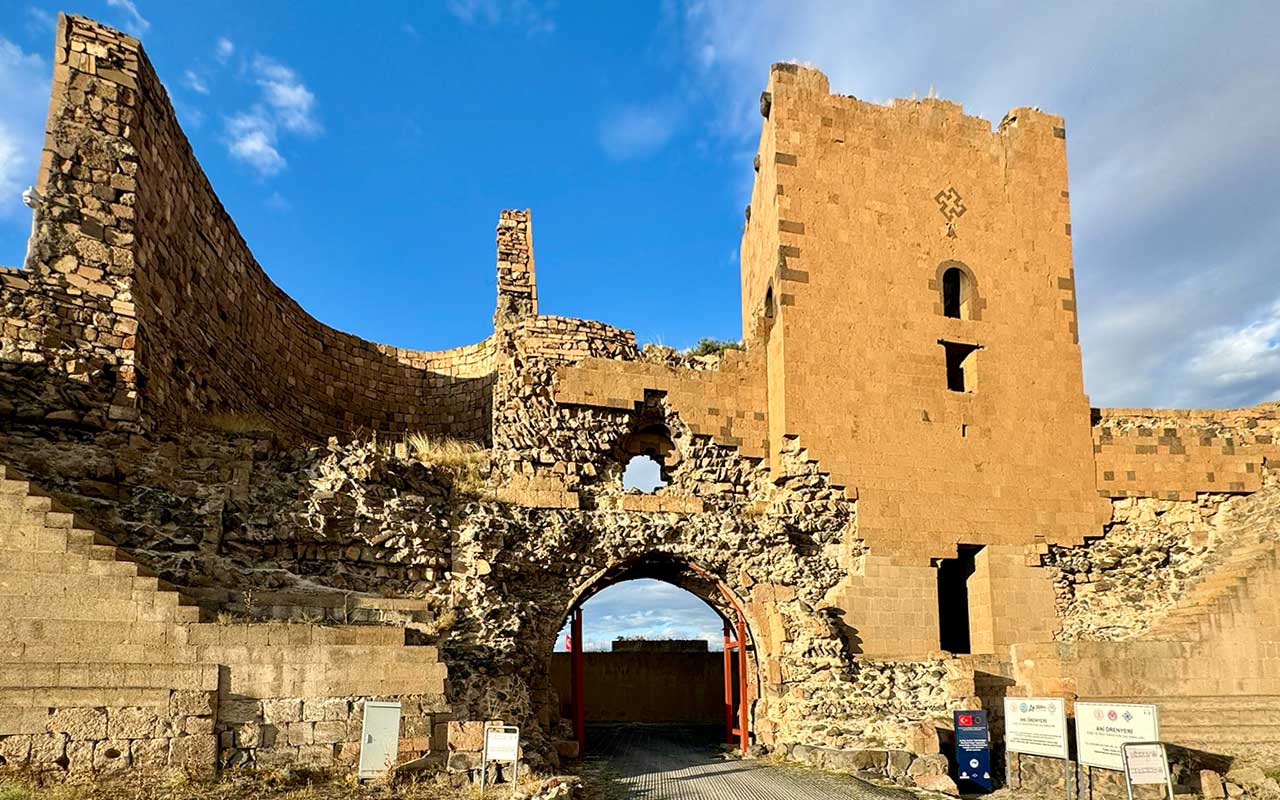
History of Ani
The Beginnings of Ani: From Humble Beginnings to the Golden Age
History of Ani dates back to the 5th century AD, when the city began to develop as a local trade and cultural center. Its strategic location on trade routes between Byzantium, Persia, and Arab caliphates ensured its rapid rise in significance. Initially a small settlement, it quickly transformed into a bustling hub, soon to become the heart of the Armenian kingdom.
The Golden Age of Ani
The most crucial moment in the city’s history came in 961 AD, when King Ashot III of the Bagratuni dynasty moved the capital of the Kingdom of Armenia here, initiating the golden age of Ani. During this period, the city began to flourish in every aspect. Ani became a cultural, religious, and commercial center, and its architecture was a true treasure of the era. The city walls, impressive cathedrals, churches, and rich residences filled the city, which began to be called the “City of 1001 Churches“. Although the actual number of temples was smaller, this name aptly reflected the character of a city where every step revealed another architectural marvel.
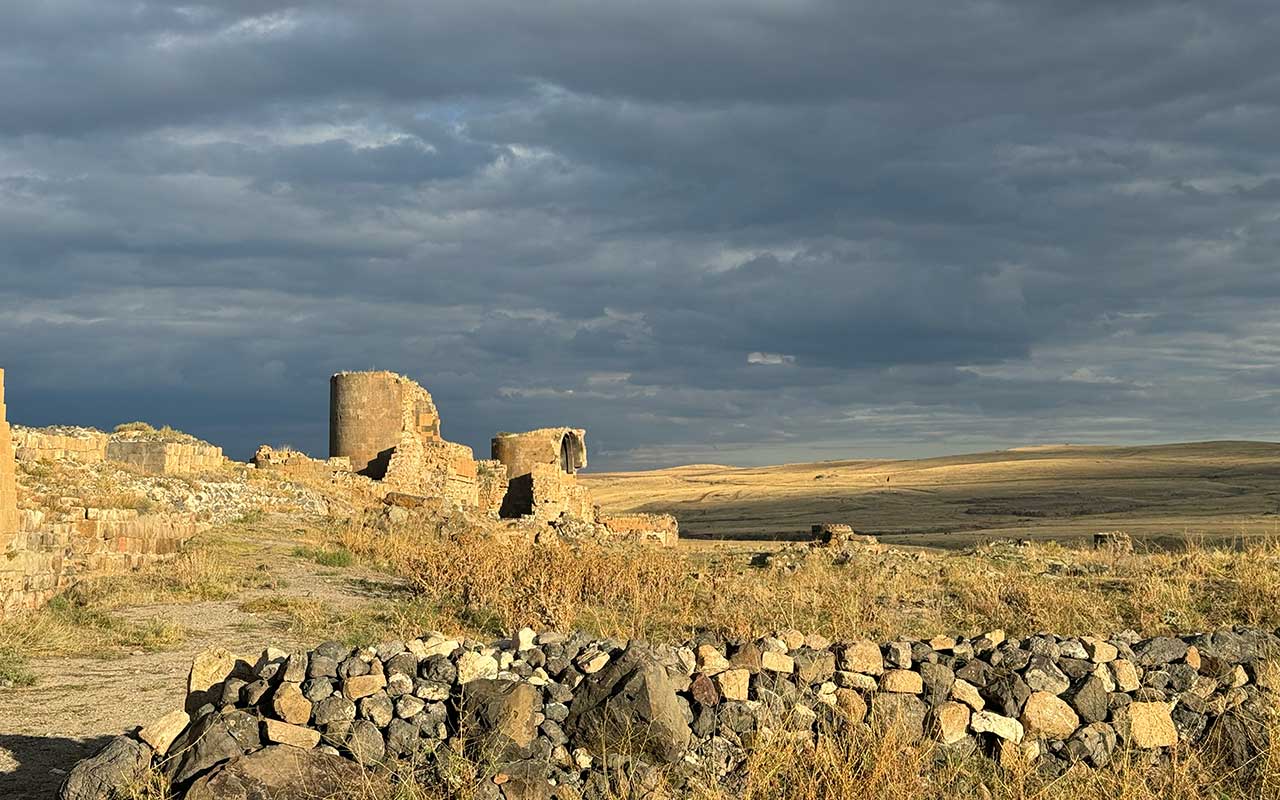
In the golden age of Ani, there was no shortage of magnificent buildings that testified to the city’s wealth and prestige. Residents enjoyed various amenities, and merchants from different parts of the world brought exotic goods here. It was also a time of intense cultural and artistic development, which made Ani a symbol of Armenia’s power. Even though many centuries have passed, some of the buildings still captivate with their beauty, bearing witness to the rich past of this place.
Rise and Fall: The Road to Forgetting Ani
The city of Ani owed its splendor not only to its favorable location but also to the wise rule of the Bagratuni kings. These rulers understood the importance of investing in the development of infrastructure and the security of the city, which allowed Ani to survive many threats that plagued these lands.
Conquest by the Seljuk Turks
In the 11th century, the population of Ani reached even 100,000, making it one of the largest cities in the world at that time. The city was not only a religious center but also a commercial hub, benefiting from the flow of goods on the Silk Road. However, Ani was not free from threats. In 1064 AD the city was conquered by the Seljuk Turks, which marked the beginning of its gradual decline.
The conquest by the Seljuks brought not only destruction to the city but also cultural changes. Although many inhabitants left the city, some remained trying to adapt to the new reality. The period of Turkish rule was a time of uncertainty for Ani, but also an attempt to rebuild its former glory.
Subsequent Destructions
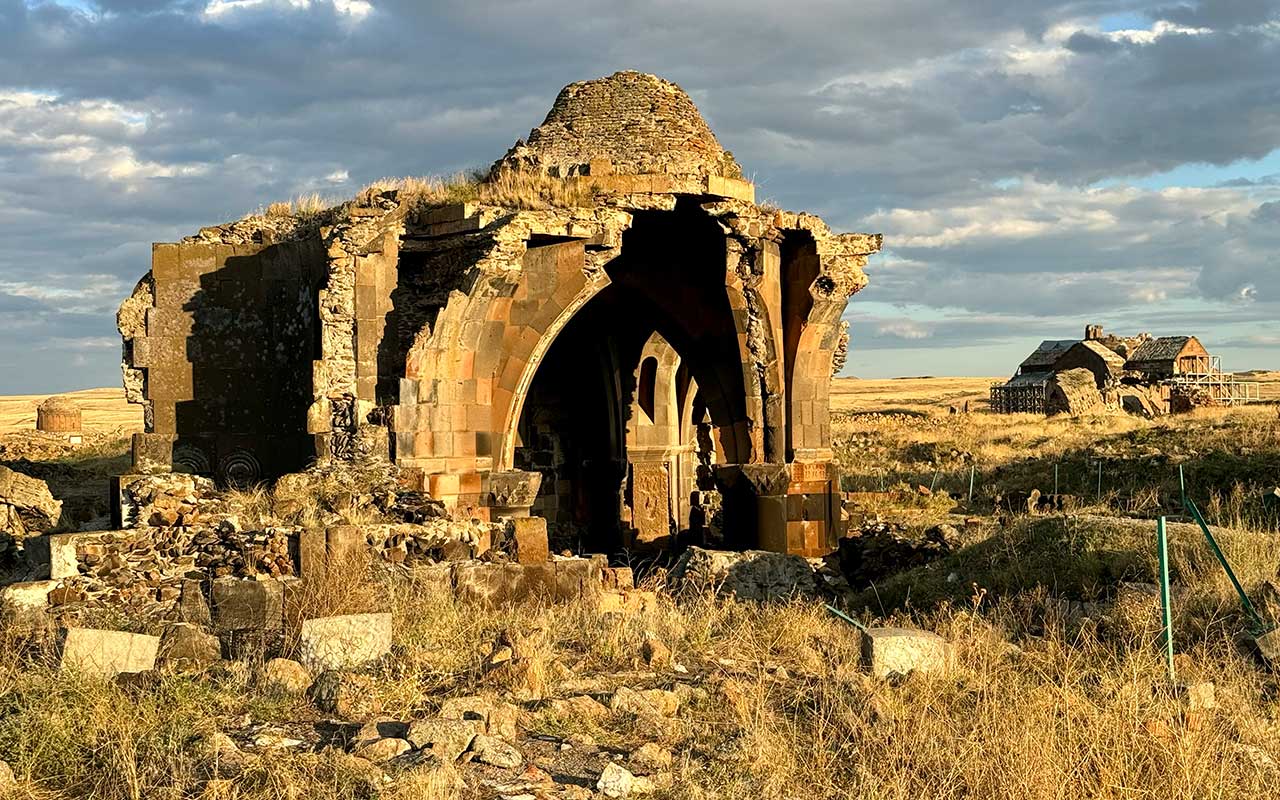
Over the centuries, the city passed through the hands of various rulers, including the Mongols, Byzantines, Persians, and Ottomans. Each of these periods brought further destruction to the city, and an additional earthquake in 1319 AD caused the final collapse of its structure. By the 17th century, Ani was completely abandoned. What was once a city rivaling Constantinople in wealth and significance was left only in ruins. However, these ruins, though ravaged by time, still attract travelers and tell the story of its former greatness.
Main attractions of Ani
Cathedral in Ani: Symbol of power and architectural genius
The cathedral in Ani, also known as the Cathedral of the Holy Virgin Mary, is one of the most important preserved monuments of the city. Built at the beginning of the 11th century by architect Trdat, it was one of the most impressive examples of Armenian architecture.
Architect Trdat and his work
Interestingly, it was Trdat, the architect of the cathedral in Ani, who was later invited to Constantinople to rebuild Hagia Sophia after the earthquake in 989. The cathedral in Ani was a place where the most important religious and political figures of Armenia gathered. Its huge dome, raised over the nave, was not only a technical achievement but also a symbol of the power of the Bagratid kingdom. Although today the dome is destroyed, and many architectural details have been lost, the cathedral still makes a great impression.
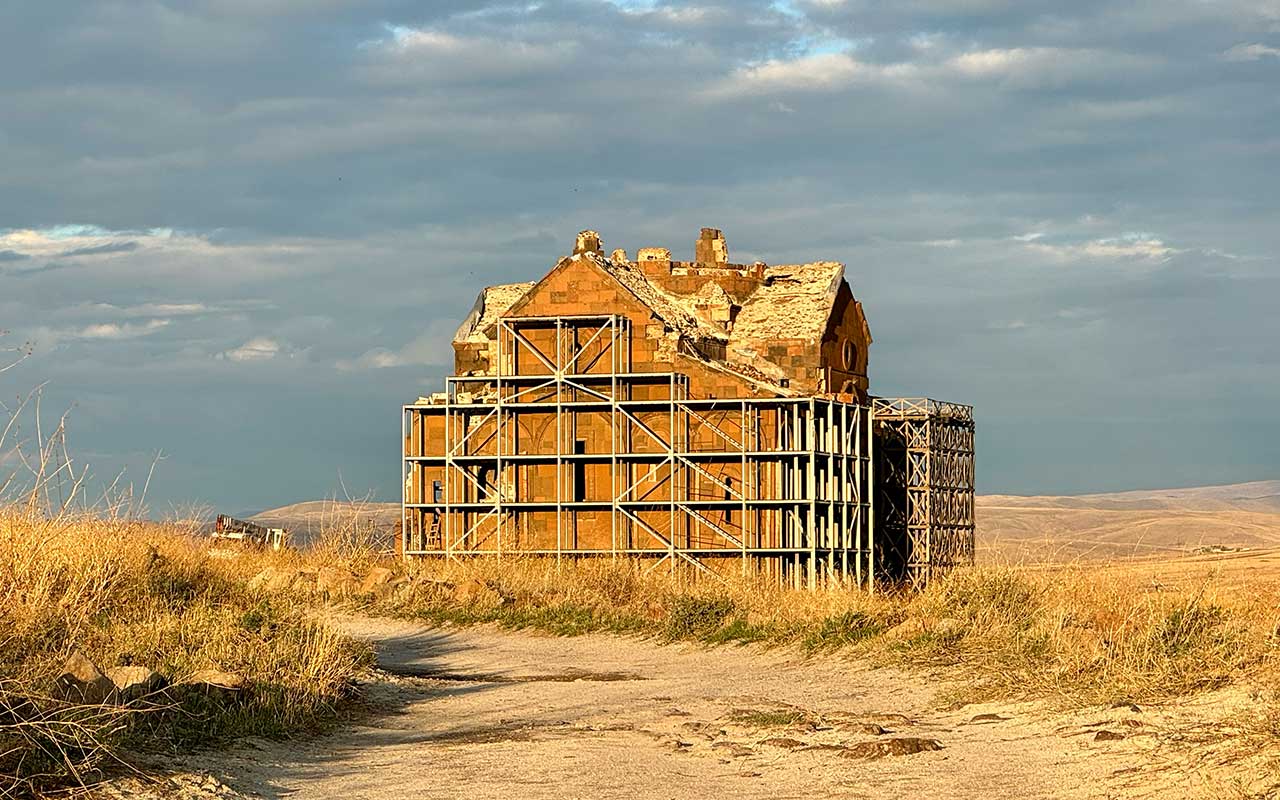
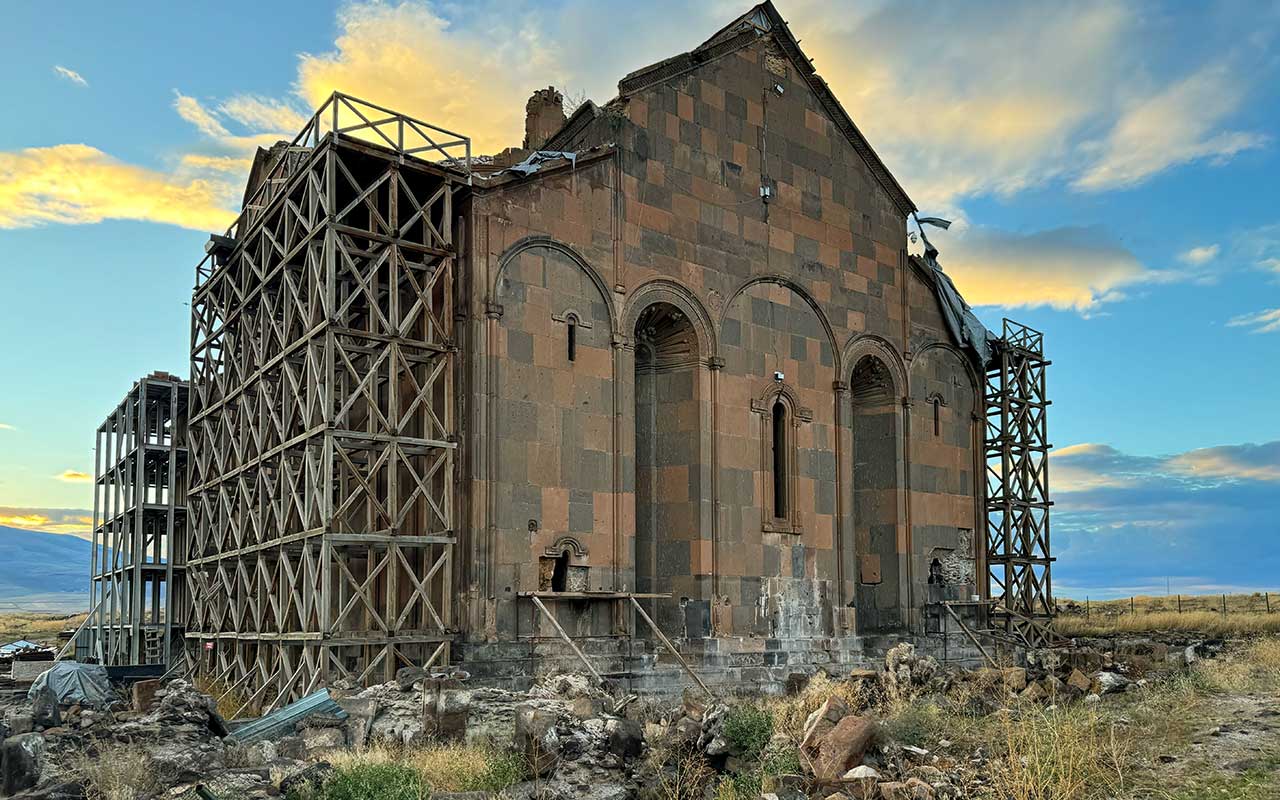
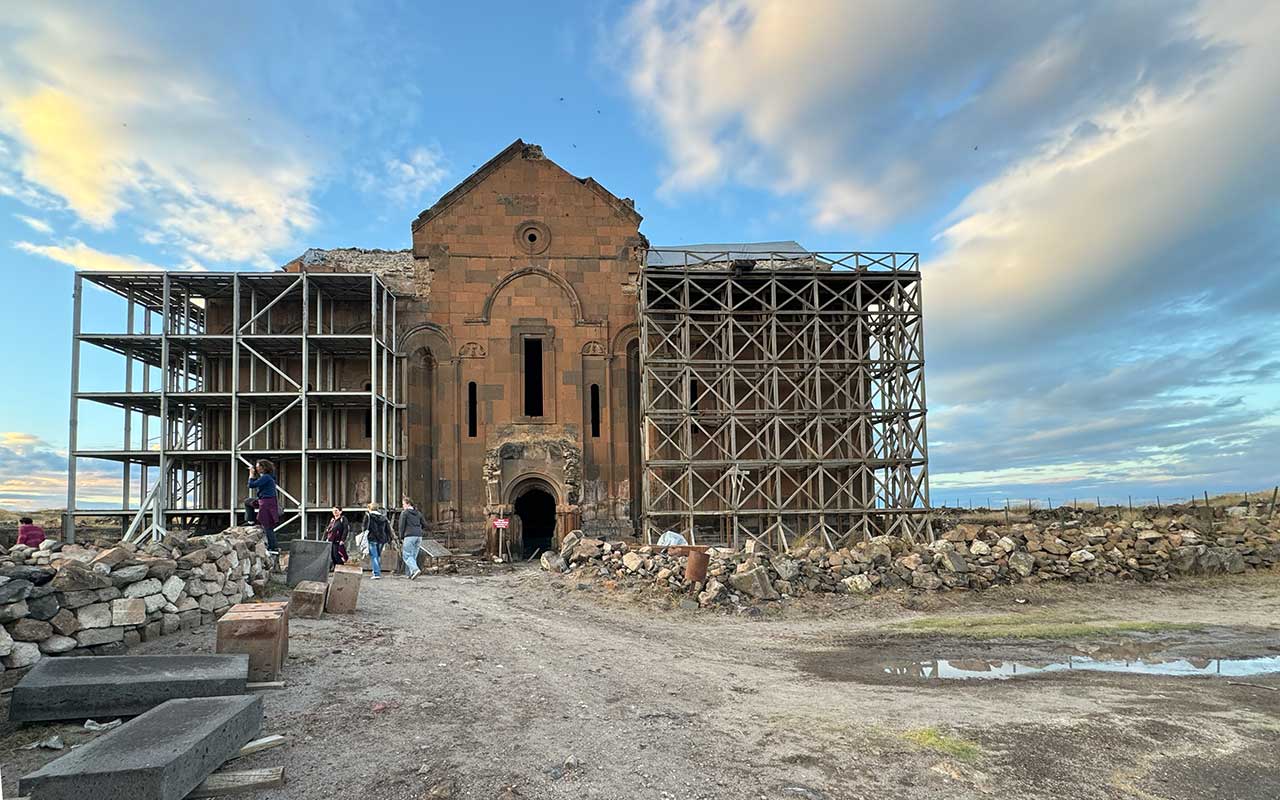
The cathedral was not only a place of prayer but also a symbol of the pride of the inhabitants of Ani. Its majestic structure, adorned with intricate details, showcases the extraordinary craftsmanship of the architects and builders who were able to create a building matching the technical possibilities of the time. The cathedral also witnessed numerous historical events that left their mark on its walls.
Conversion of the Cathedral into a Mosque
During the Turkish occupation in 1064, the cathedral was converted into a mosque, a symbolic gesture of conquest and power. Despite the transformations, the building retained many of its original features, allowing the beauty of Armenian architecture to be appreciated.
The conversion of the cathedral into a mosque was an important moment in the city’s history, highlighting the changing fortunes of Ani. Each change of power brought new influences, and the cathedral itself became a symbol of these changes. Today, traces of both Christian and Muslim influence can be seen, making it a site of exceptional cultural significance.
St. Gregory’s Church and Other Architectural Treasures
Besides the cathedral, Ani is famous for other unique sacred buildings. Each of them has its own unique history, adding extraordinary charm to the city.
One of them is St. Gregory’s Church, which stands out for its round structure and conical dome. Built in the 13th century, it is one of the best-preserved churches in Ani. The frescoes that adorn its interior tell biblical stories and add a spiritual dimension to the temple.
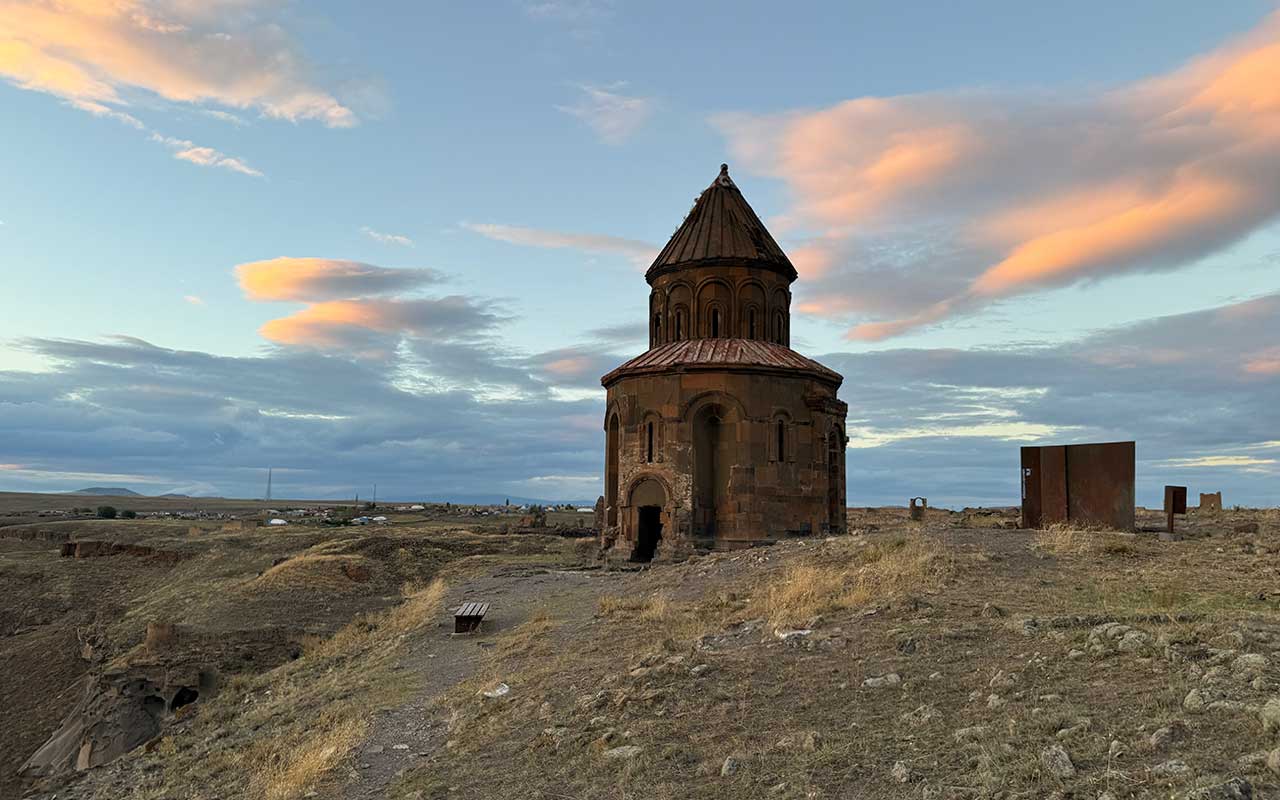
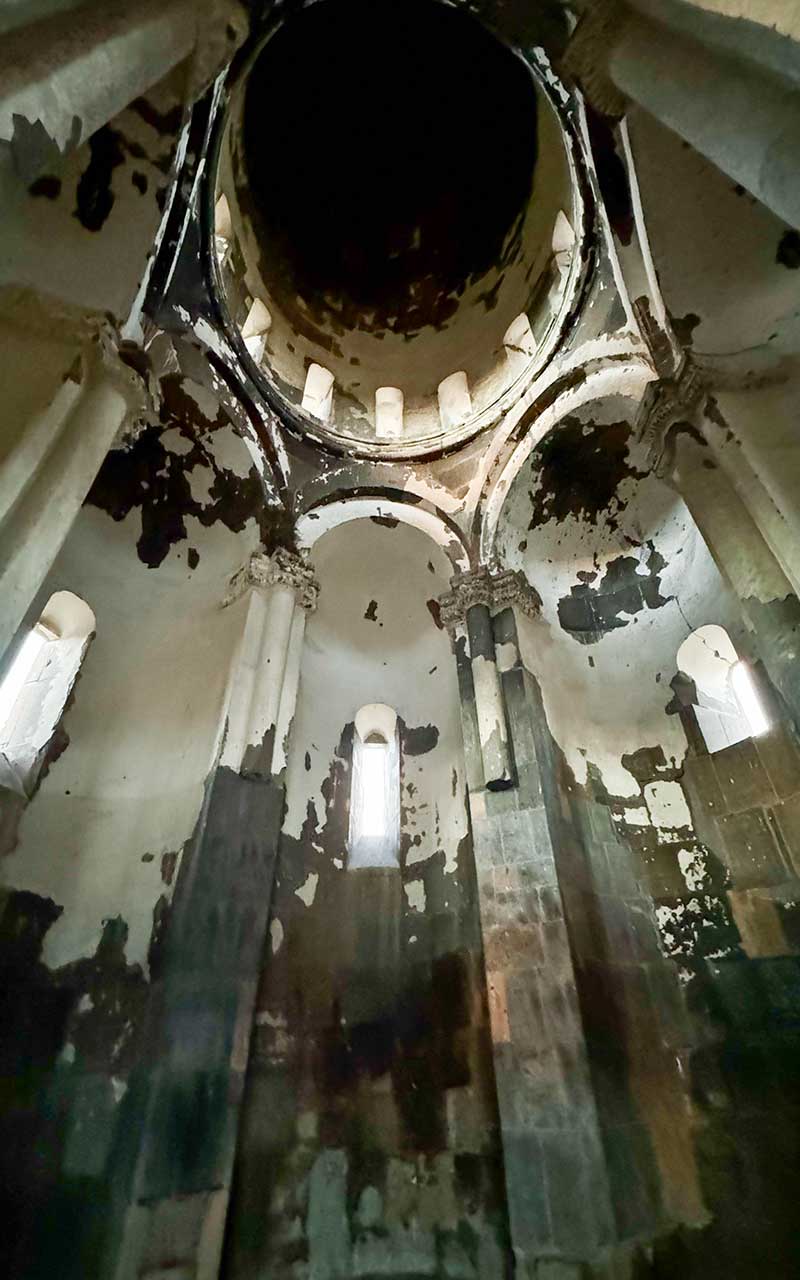
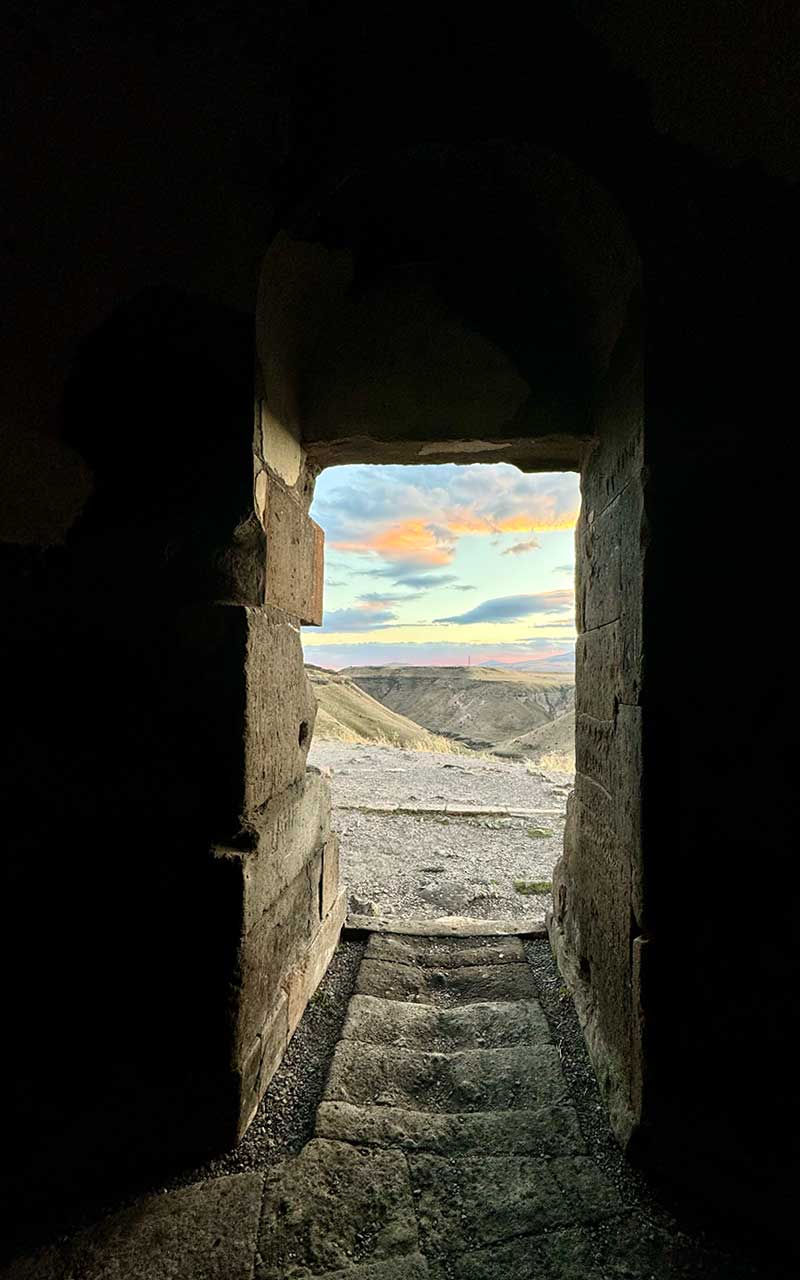
St. Gregory’s Church draws attention not only because of its architecture but also because of its rich decorations. The interior of the temple, full of frescoes, is evidence of the deep faith of Ani’s inhabitants and their commitment to creating beautiful and spiritual places. This church is also an example of the harmony that existed between art and religion in Ani.
Tigran Honents Church
The ruins of the Church of Tigran Honents are another architectural gem that cannot be overlooked. The unique frescoes and architectural elements show how diverse the building art in Ani was. This church was associated with the Georgian Orthodox Church, highlighting how culturally diverse the city was.
This church is not only a beautiful example of sacred architecture but also a testament to the cultural influences that penetrated Ani. Its frescoes, depicting biblical scenes and figures of saints, are a perfect example of Armenian religious art. It is a place that shows how rich and diverse the spirituality of Ani’s inhabitants was.
Manuchihr Mosque
One should not forget about the Manuchihr Mosque – the first Turkish mosque built in the Anatolian region. It is a symbolic place that showcases the changes that occurred in the city after the Seljuk conquest. This mosque is also a testament to the Islamic influences that left their mark on Ani.
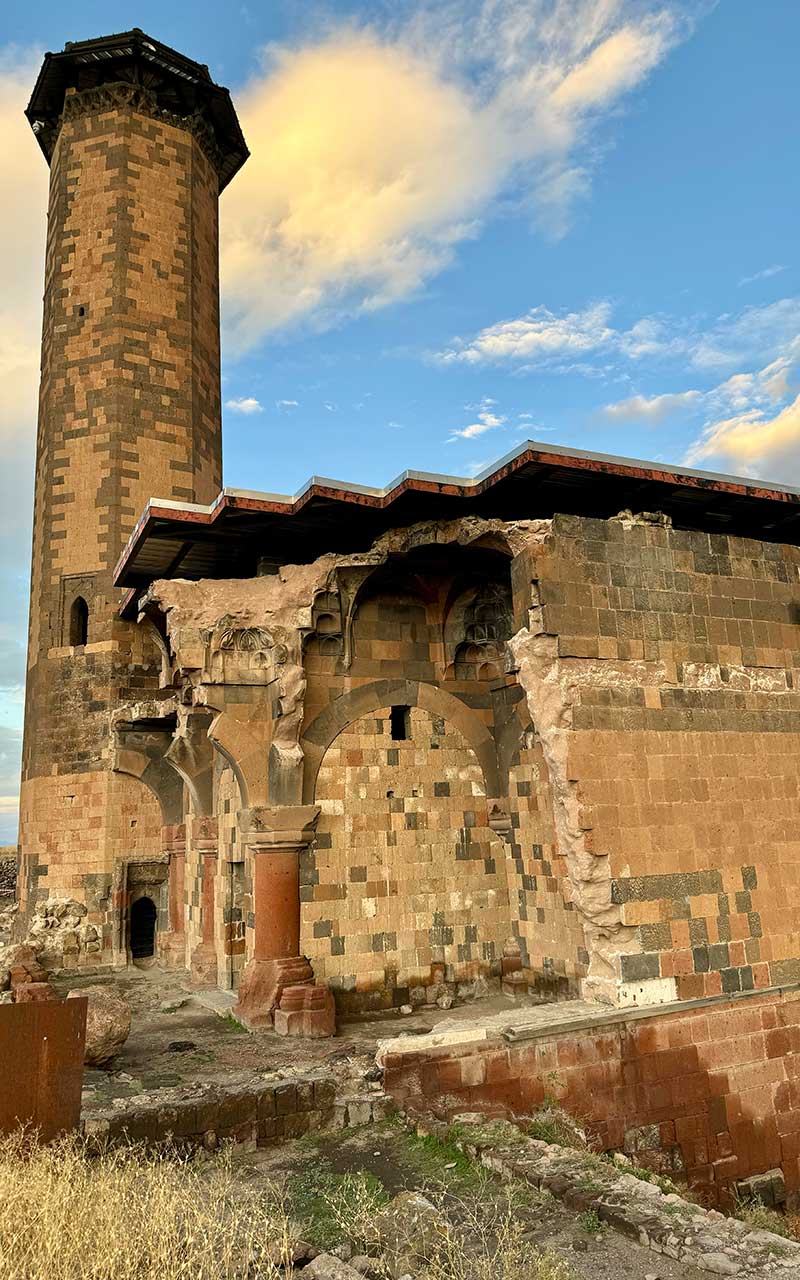
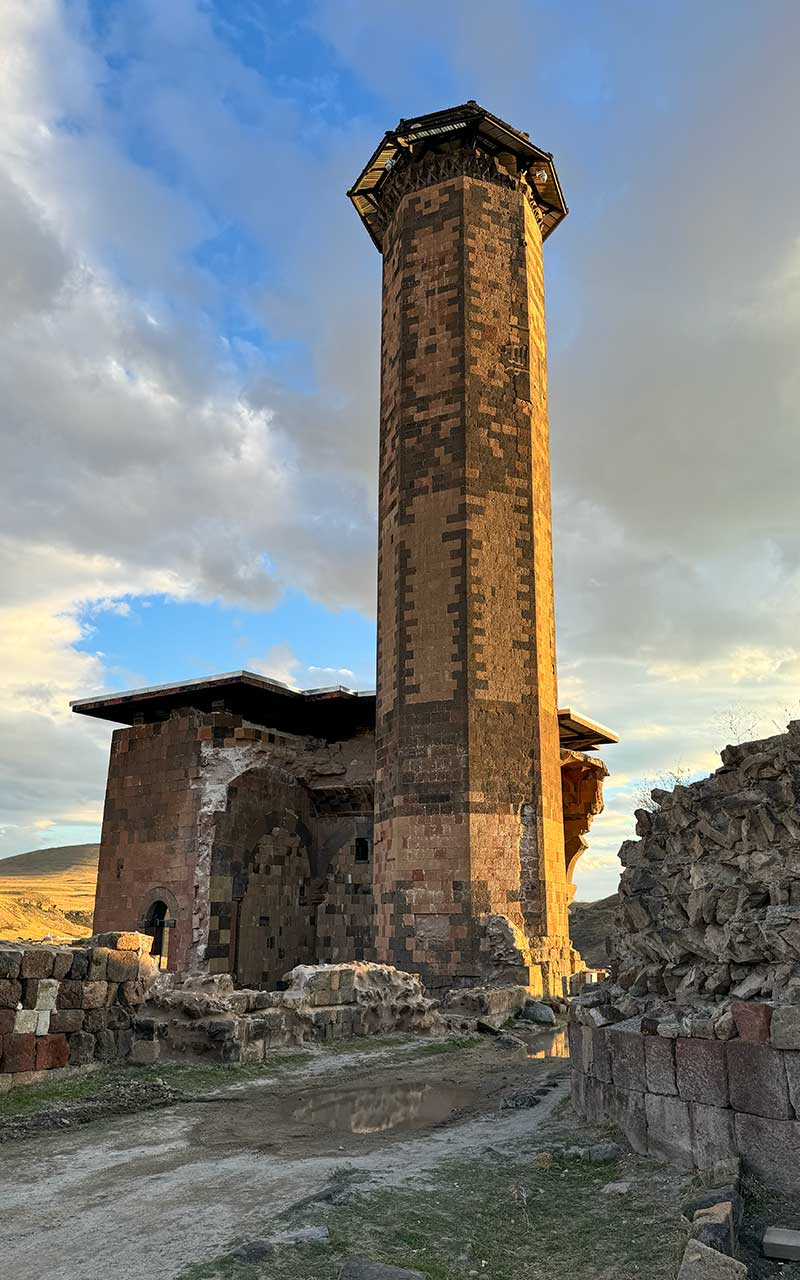
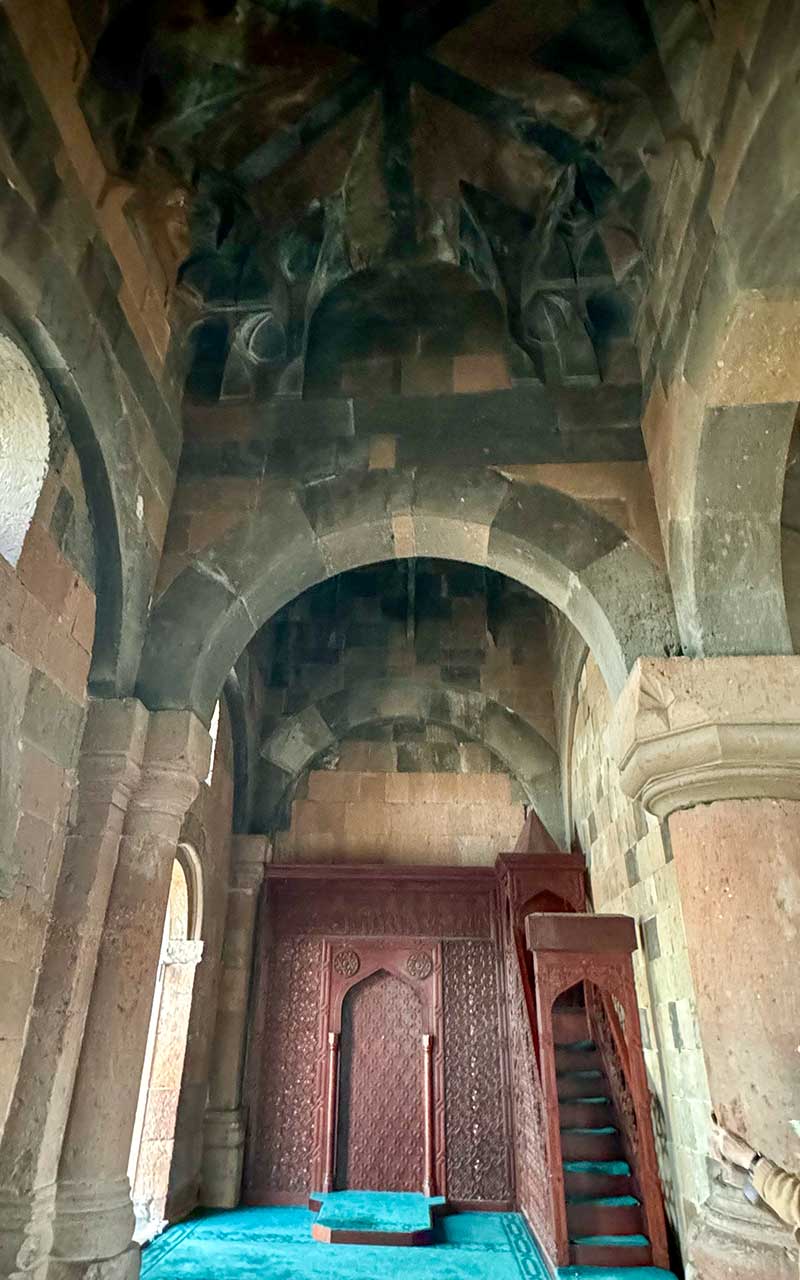
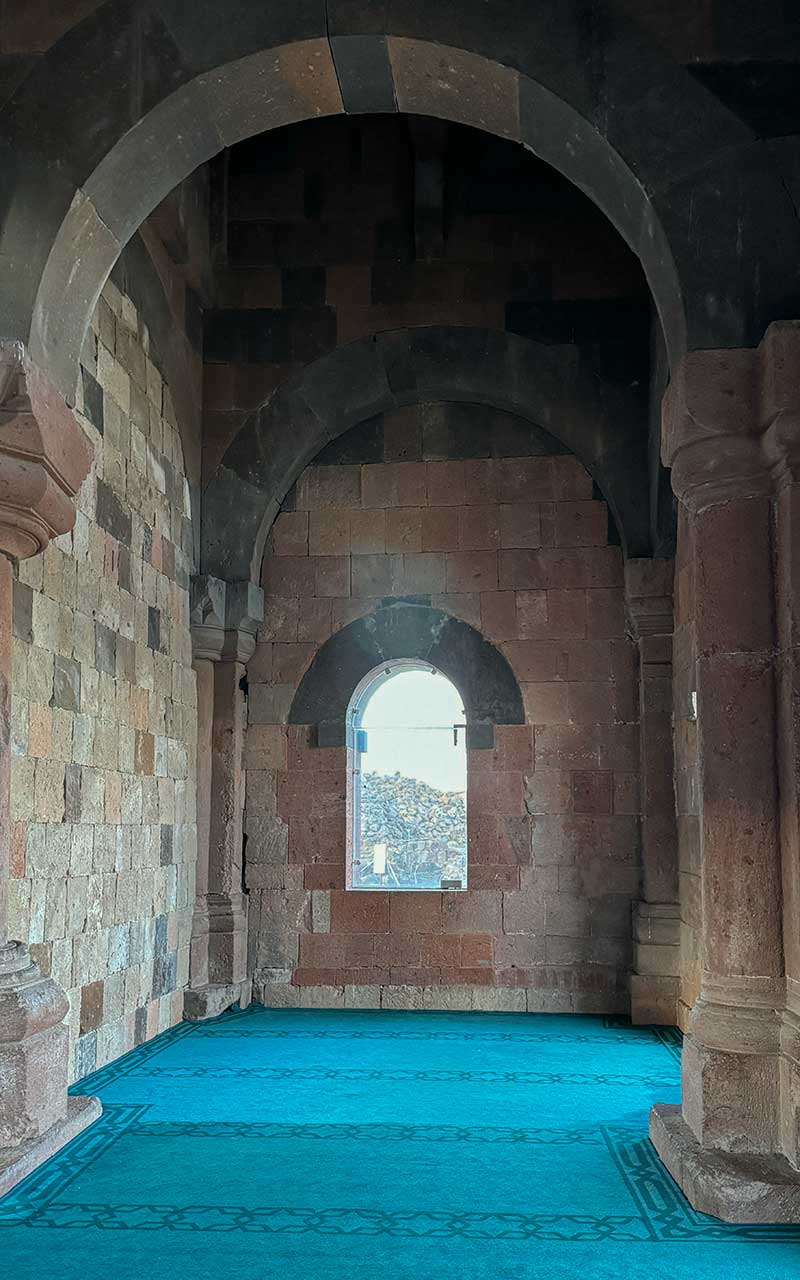
The Manuchihr Mosque, with its simple yet elegant architecture, is an excellent example of early Islamic art in these areas. Although the structure is partially destroyed today, its former magnificence can still be seen. This mosque is a symbol of the transformations that have occurred in Ani over the centuries, and proof of how culturally diverse this city was.
Church of St. Gregory of King Gagik in Ani
St. Gregory’s Church, also known as King Gagik’s Church, is an important monument of Ani, built at the behest of King Gagik I in 998 AD and completed in 1001 AD. The temple featured a rarely seen round plan, inspired by the Zvartnots Cathedral in Armenia. Unfortunately, shortly after completion, its dome collapsed due to structural problems. Excavations in 1906 revealed the building’s plan and discovered liturgical items.
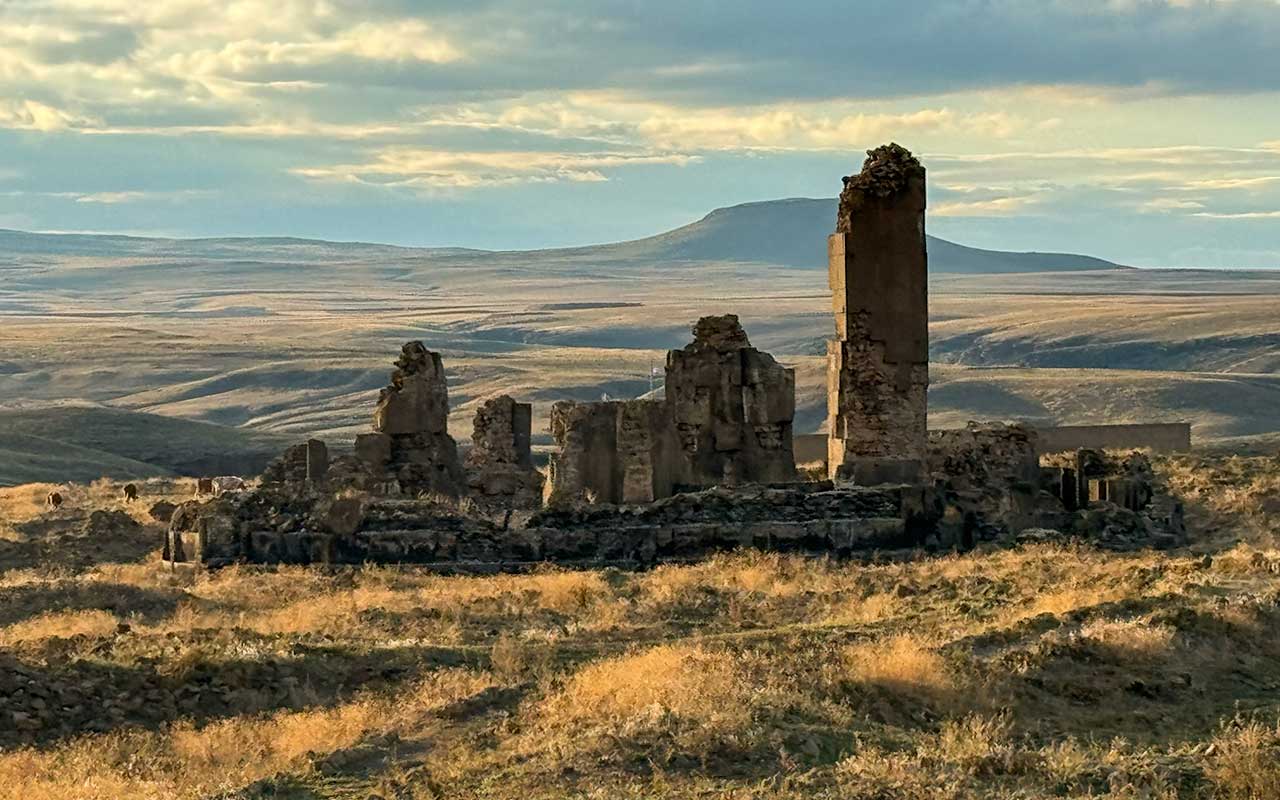
Today, only a few columns and wall fragments remain, giving a glimpse of the church’s original scale. Despite its ruin, St. Gregory’s Church is a valuable testimony to Ani’s cultural heritage and the innovative architecture of its time.
City Walls: Ani’s Last Line of Defense
One of the most important elements attracting tourists to Ani is its city walls. They were the city’s last line of defense and a symbol of its power.
The City’s Defensive Power
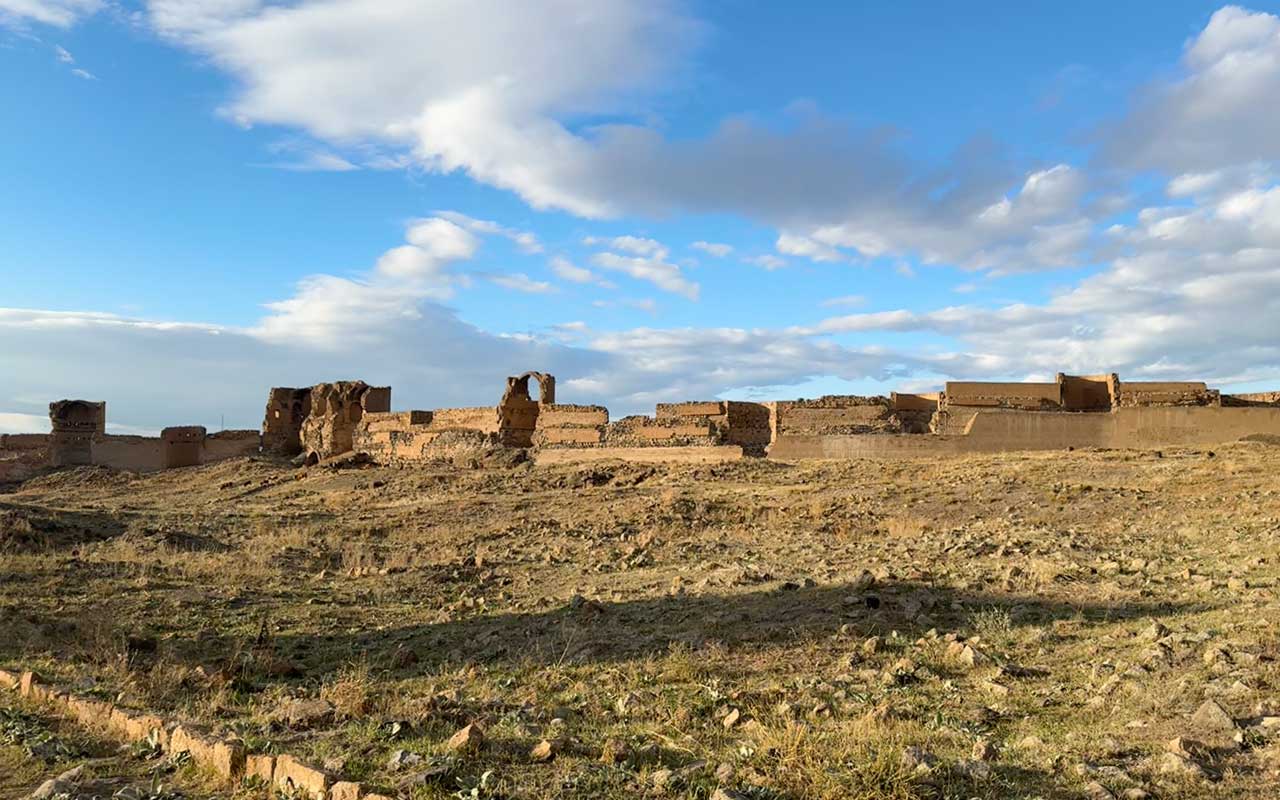
The towering, sky-reaching walls still make a huge impression. They testify to the city’s former defensive might, which remained an impregnable fortress for centuries. When visiting Ani, one can walk along the walls that tell the story of the city’s heroic defenses against numerous invaders. Although damaged in many places, they still dominate the surroundings, reminding us of their past splendor.
 Walls of Ani, Turkey
 Walls of Ani
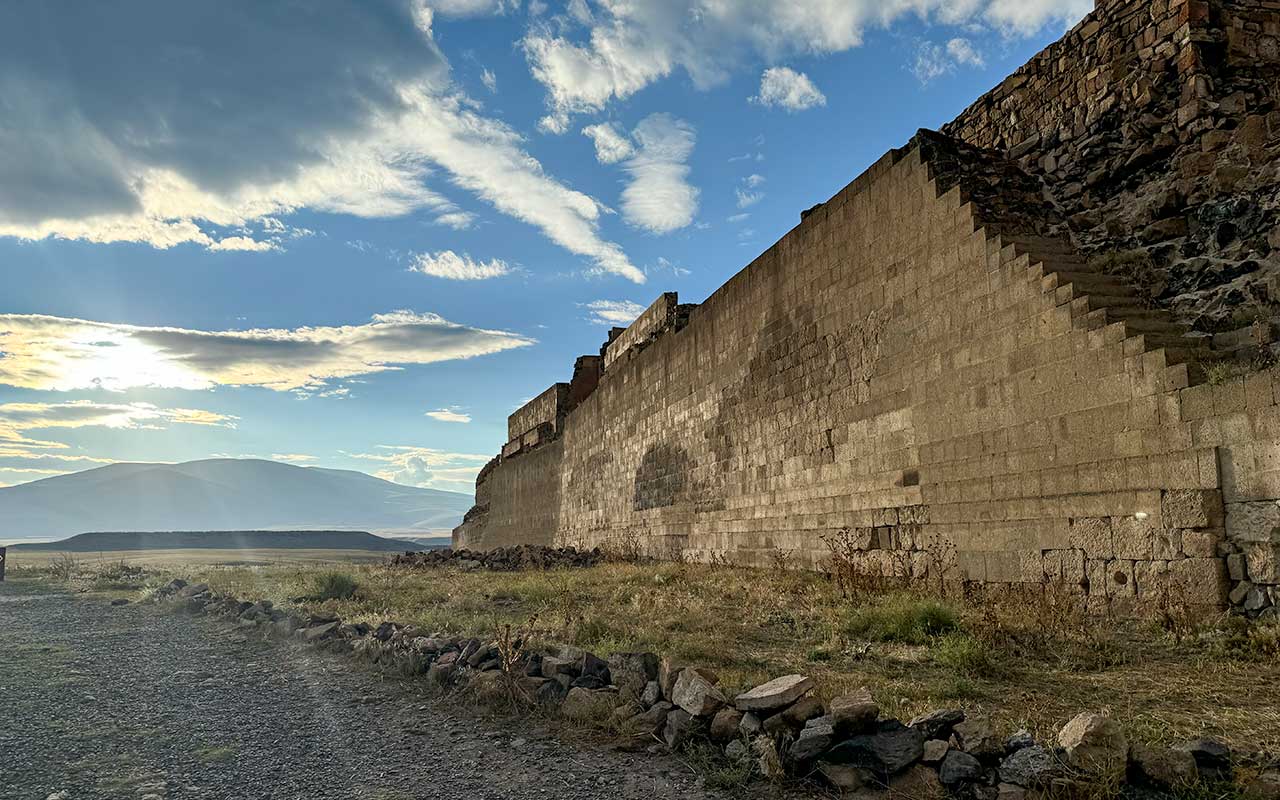
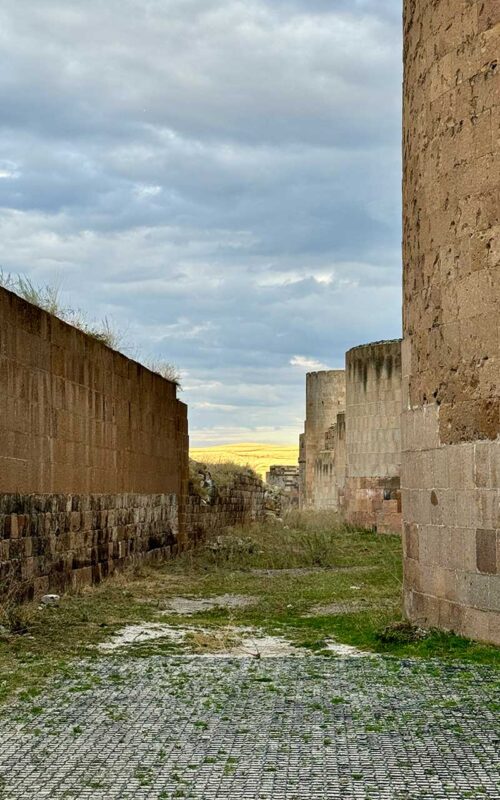
The city walls of Ani were built with the aim of ensuring maximum safety for its inhabitants. Their impressive height and thickness made the city almost impregnable. Walking alongside the walls, one can spot traces of old defensive towers and gates that were significant strategic points. These walls, although partially destroyed, still remind us of Ani’s past grandeur and the residents’ determination in the face of threats.
How to Reach Ani? Practical Tips for Travelers
Where is Ani Located?
Ani is located in the province of Kars, Turkey, near the closed border with Armenia. It is situated precisely east of the city of Kars, along the Arpaçay River (Akhuryan), which forms the eastern border with Armenia.
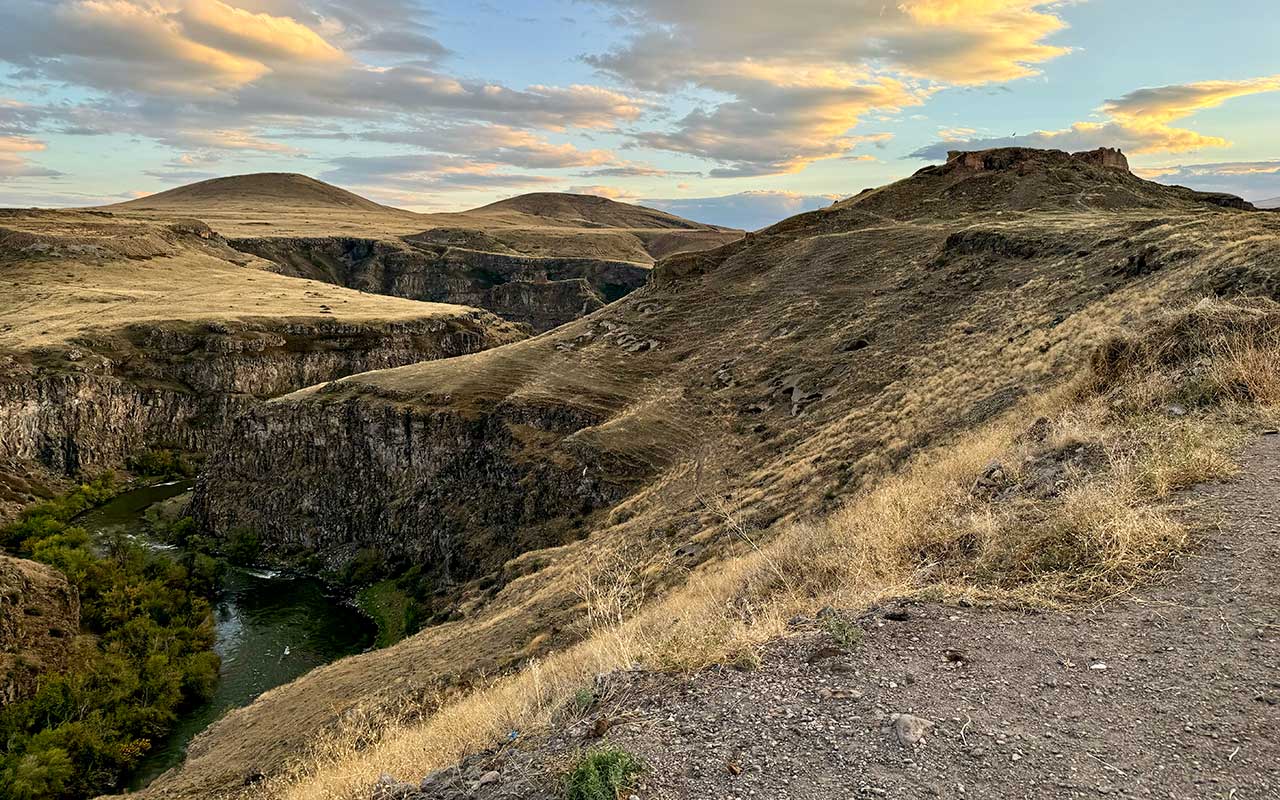
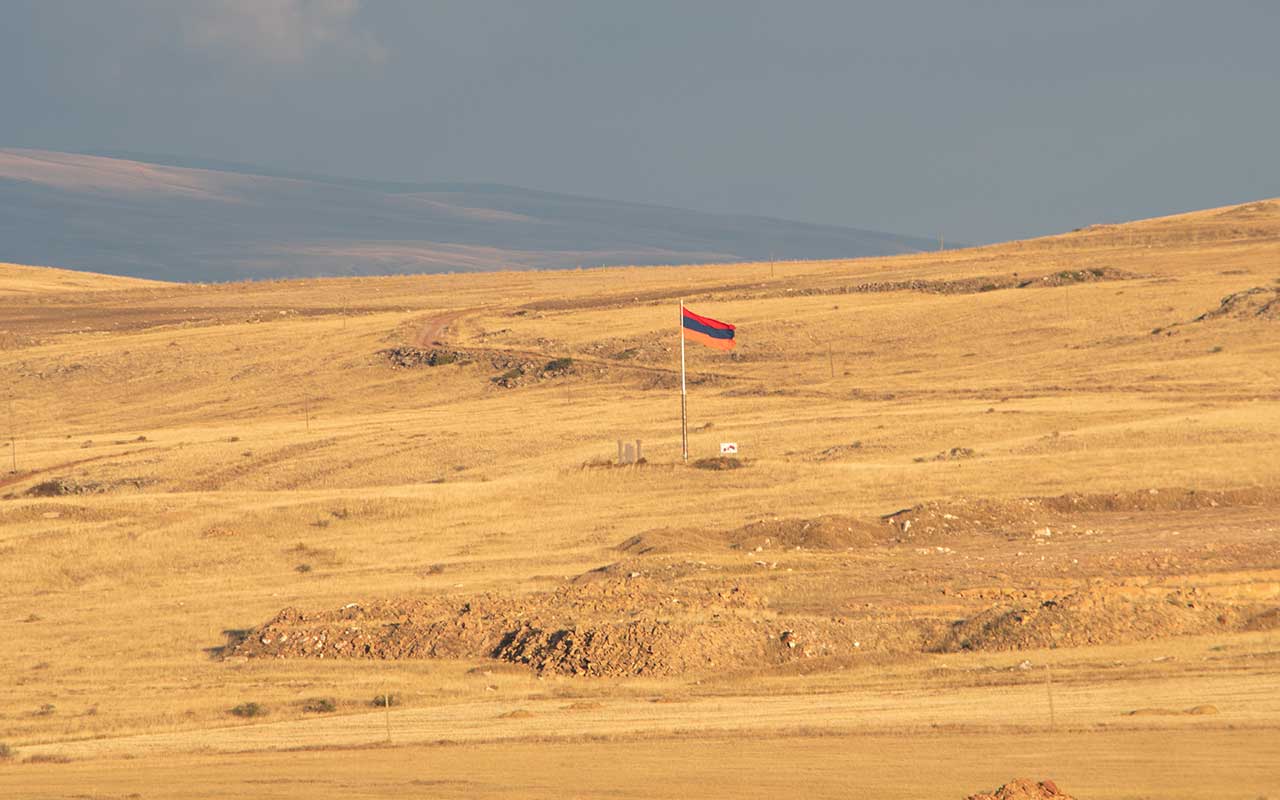
Getting to Ani is not difficult, but it’s worth planning your trip well. Although the city is currently deserted, the ruins attract tourists from all over the world who want to learn about its extraordinary history.
Traveling from Kars by bus
The easiest way to reach Ani is from Kars, a city approximately 40 kilometers from the ruins. Tourist buses run daily from Kars, departing from in front of Antik Cafe, located at the corner of Faik Aksoy Caddesi and Gazi Ahmet Pasa Caddesi. Buses leave at 10:00 AM and return at 1:20 PM, allowing about two hours to explore the ruins.
Kars, as a starting point for Ani, also offers other attractions worth seeing before or after visiting Ani. There are numerous hotels, restaurants, and cafes that make staying in this region comfortable. Additionally, in Kars, you can learn more about the history of Ani by visiting local museums and galleries.
Alternative options – getting to Ani by car or taxi
For those who prefer greater time flexibility, an alternative may be renting a taxi or car. Renting a car allows for a free exploration of Ani and nearby attractions, such as Kizkale and the Church of the Virgin Hripsime. This is an excellent way to explore the surroundings of Ani without time constraints, offering a fuller immersion into the atmosphere of this extraordinary place.
There is also the option to reach Kars by train from Ankara or by flying from other Turkish cities. From Kars, we can transfer to a bus or taxi.
Guided Tours
It is also worth considering the option of an organized guided tour, where the guide will talk about the history of Ani and bring context to individual buildings. Such tours are available in Kars and can be a great way to better understand the rich history of this place.
Practical Tips: What to Know Before Visiting
When planning a visit to Ani, it is worth remembering a few important issues. Good preparation will allow you to fully enjoy sightseeing and discover this extraordinary place without unnecessary difficulties.
When is the best time to visit Ani?
The best time to visit Ani is in spring (from April to June) or autumn (from September to November), when the weather is mild and conducive to sightseeing. In the summer, due to intense heat and lack of shade, sightseeing can be burdensome. In the winter, snow and low temperatures may make access to the ruins difficult.
Spring and autumn are also the best periods to visit Ani due to the beautiful landscapes surrounding the ruins. Green steppes in spring and golden colors in autumn add exceptional charm to the place, making the visit even more satisfying. It’s also a time when there are fewer tourists at the site, allowing you to enjoy the tranquility and atmosphere of the place.
Opening Hours
Summer: From 8:00 to 19:00.
Winter: From 9:00 to 17:00.
Entrance Fee and Other Information
Entrance to the ruins of Ani costs around 8 euros (2024). For those planning to visit other monuments in Turkey, it’s worth considering purchasing the Museum Pass Turkey, which grants access to many historical sites in the country. This card is an excellent solution for people who want to explore Turkey’s rich history by visiting numerous monuments.
Guides and maps are available on-site to facilitate touring and to help better understand the city’s history. It’s also a good idea to get informational brochures available at the entrance so as not to miss any important information about the ruins.
Hotels in Kars, close to Ani
Comfortable Touring
Ani is a place best explored on foot. It’s advisable to equip yourself with comfortable shoes because the terrain is uneven, with many paths leading through bushes and rocky trails. There is a café available on site, though it may be closed in winter, so it’s wise to bring water and snacks with you.
When visiting Ani, it’s also good to have a head cover and sunscreen, especially in summer when the sun can be very intense. It’s also a good idea to have binoculars, which will allow for better admiration of architectural details located at the higher parts of the ruins.
Before you travel, it’s worth checking the official website to check opening hours or other information.
FAQ – Frequently asked questions about Ani in Turkey
How much time should you allow for visiting Ani?
It is recommended to spend at least 2 to 3 hours visiting Ani to see the most important attractions without rushing.
Are guided tours available?
Yes, guided tours can be arranged through local travel agencies in Kars. They often include transportation and a guide who provides historical information and interesting facts about the ruins.
What attractions are worth seeing in Ani?
City Walls: The northern side of the walls is the best preserved and offers a glimpse into Ani’s former defensive structures.
Ani Cathedral: The largest surviving building in Ani, built in 1010 and currently undergoing conservation work.
Manuchihr Mosque: Considered the first Turkish mosque in Anatolia, built in 1072.
Where can you stay near Ani?
There are no hotels or guesthouses in the immediate vicinity of Ani. The best option is to stay in Kars, where several decent accommodation options can be found.
What amenities are available in Ani?
There is a small café near the ticket office at the entrance to the archaeological site. It is recommended to bring enough water with you for the duration of your visit.
Are there any safety concerns?
Due to its proximity to the Armenian border, all signs and instructions regarding areas open to visitors and those that are prohibited must be followed. Do not attempt to cross the border.
Can I visit Ani on my own?
Yes, you can visit Ani on your own by renting a taxi or a car from Kars. However, guided tours can provide valuable information and historical context.
Summary: Why is it worth visiting Ani?
Visiting Ani is a journey through time, transporting us to the medieval era when the city was one of the most important centers on the world map. The ruins, though partially destroyed today, still emanate the magic of ancient times, reminding us of the greatness and fall of this place. For lovers of history, architecture, and extraordinary landscapes, Ani is a must-see destination.