Italiano
 Polski

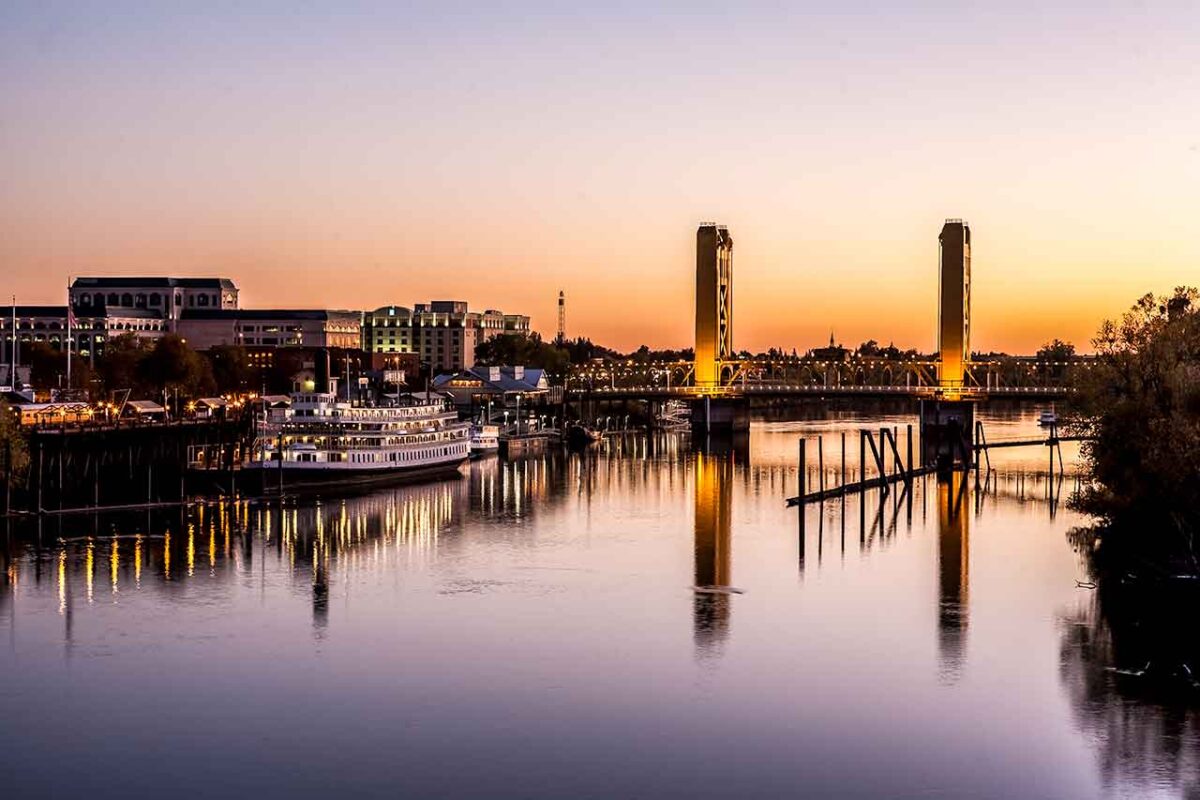
Sacramento doesn’t make the front pages of travel brochures. Travelers flying to California usually set their course for Los Angeles, San Francisco, or smaller towns along Highway 1. Meanwhile, the state capital lies exactly in the middle – two hours east of San Francisco, 6-8 hours north of San Diego – and offers something that crowded metropolises no longer have: the history of the Gold Rush literally within reach, Michelin-level food without queues and sky-high prices, and a calmness that is rare on the West Coast today.
If you have a few days in California and are wondering if Sacramento is worth a detour – the answer is yes, especially if you enjoy 19th-century history, good food, and walking without crowds. In this article, you’ll find everything you need to plan your visit from scratch.
How to get to Sacramento
Sacramento International Airport (SMF) is located about 17 km from the city center; by bus line 142 you reach downtown for $2.50 in about 30 minutes.
SMF airport handles over 175 flights daily, including connections with most airports on the West Coast. From the airport, you have several options directly:
If you arrive after midnight, Uber or Lyft are the only convenient options – night buses stop running earlier.
Sacramento is also on the Amtrak route – the Capitol Corridor train connects the city with Oakland and the San Francisco Bay Area (travel time approx. 2 hours). From Los Angeles, you can reach Sacramento by the San Joaquins train in about 7-8 hours or by car on the I-5 highway in 6-7 hours.
Transportation within the city
Sacramento Regional Transit (SacRT) operates the Gold Line and Blue Line light rail through downtown; a single ticket costs 2.50 USD, and a day pass is 6.00 USD.
In practice, downtown Sacramento is flat and well-designed; it is one of the more pedestrian-friendly cities in the West. The grid-based street network makes navigation intuitive. You can walk to Old Sacramento, the Capitol, or Midtown from most downtown hotels.
For more distant places (William Land Park, Effie Yeaw Nature Center), it’s more convenient to take an Uber or rent a bike – the city has an extensive network of bike paths, including the famous 50-kilometer trail along the American River.
Where to stay in Sacramento
Midtown and Downtown are the best neighborhoods for tourists – easy walking access to attractions, restaurants, and cafes within reach, hotel prices starting around 80-90 USD per night and up.
A brief overview of the neighborhoods:
Options to consider for different budgets:
|
Standard |
Price range / night |
District |
|---|---|---|
|
Budget (hostel) |
from 30-40 USD |
Downtown |
|
Mid-range (3*) |
90-150 USD |
Midtown / Downtown |
|
Higher standard (4*) |
180-280 USD |
Downtown (Citizen Hotel, Kimpton Sawyer) |
Prices are indicative and may vary depending on the season – it’s worth checking before your trip.
Sacramento attractions – where to start
Sacramento is largely a city of Wild West and Gold Rush history. The best sightseeing strategy is to start at Old Sacramento (the historic center), visit the museums, and leave the afternoons for walks in the parks or Midtown. Below are attractions in the order I recommend.
Old Sacramento Waterfront
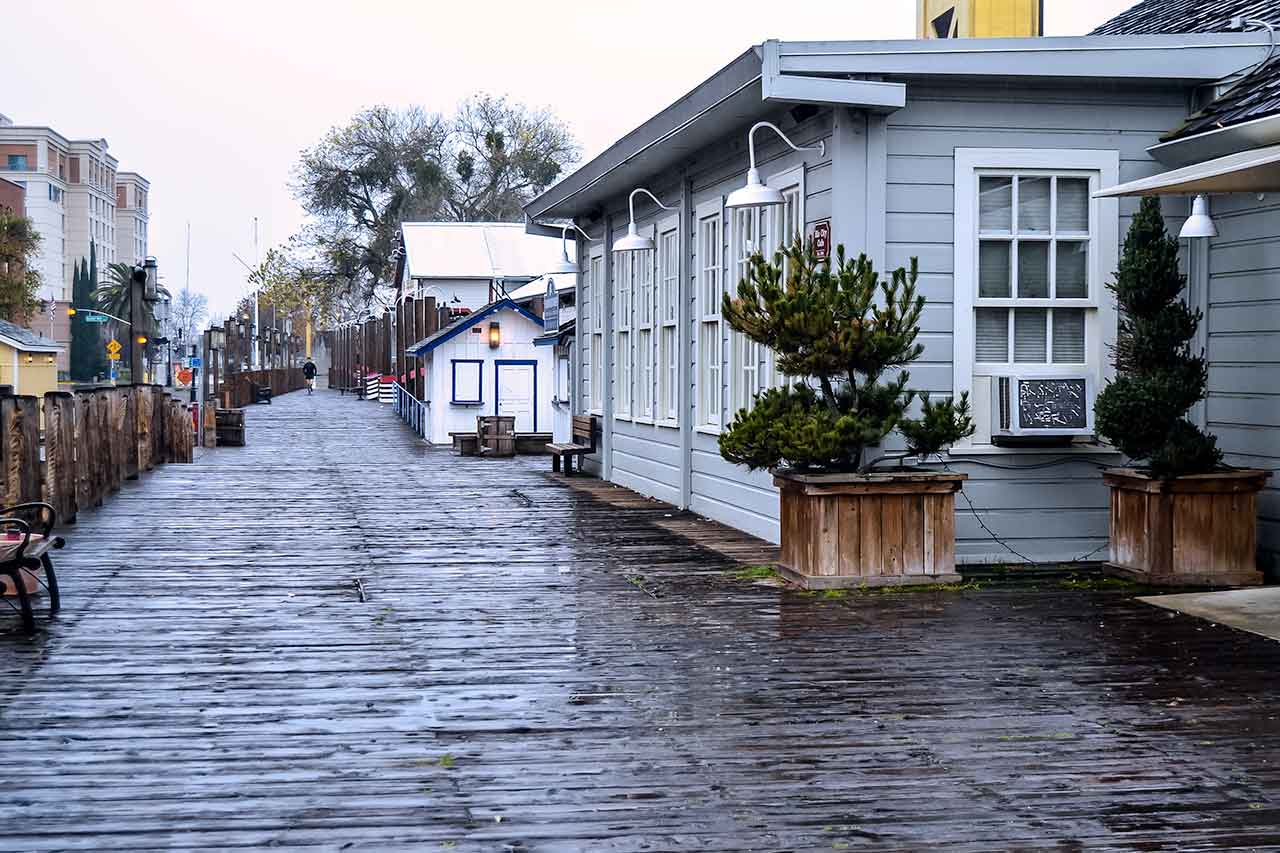
Old Sacramento is a historic district along the Sacramento River, listed as a National Historic Landmark – wooden sidewalks, cobblestone streets, and 19th-century buildings create an exceptionally cohesive scene here.
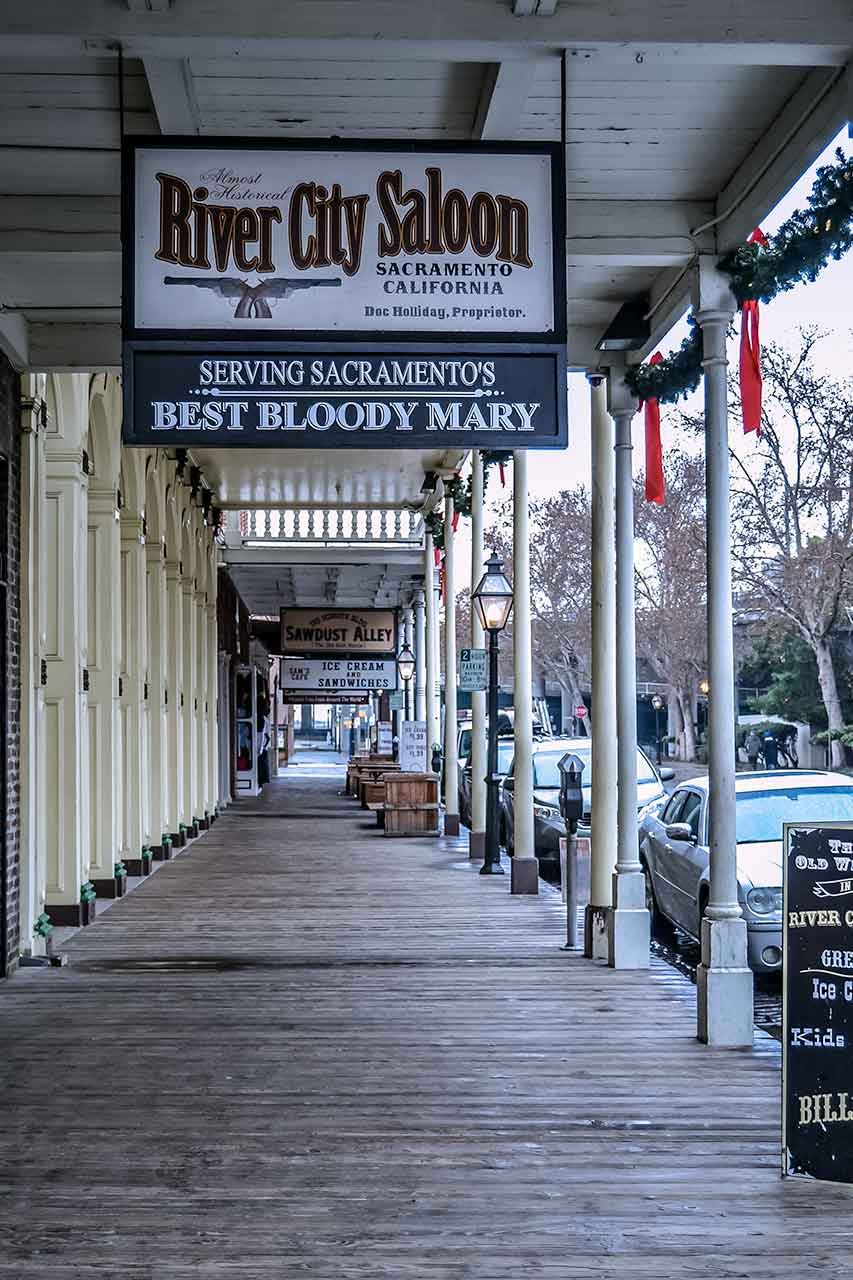
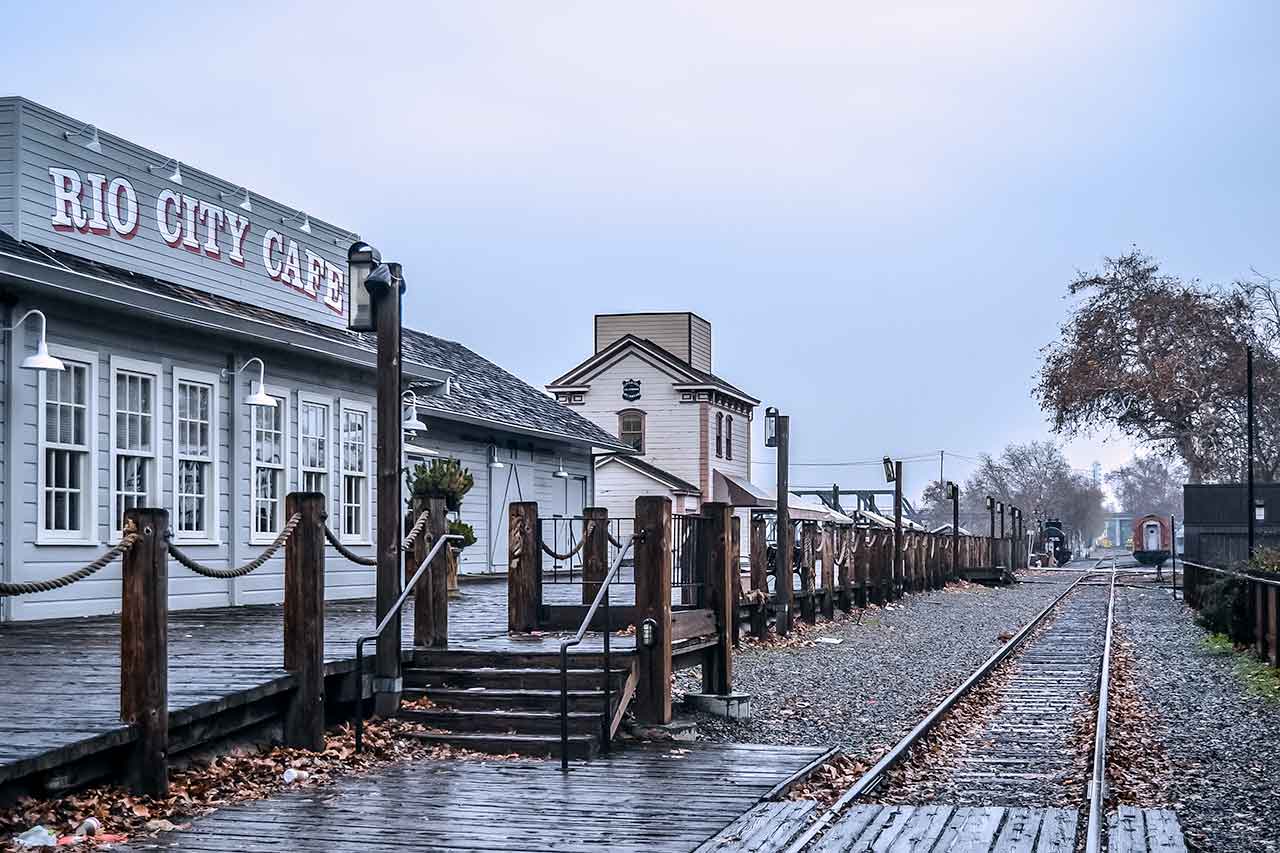
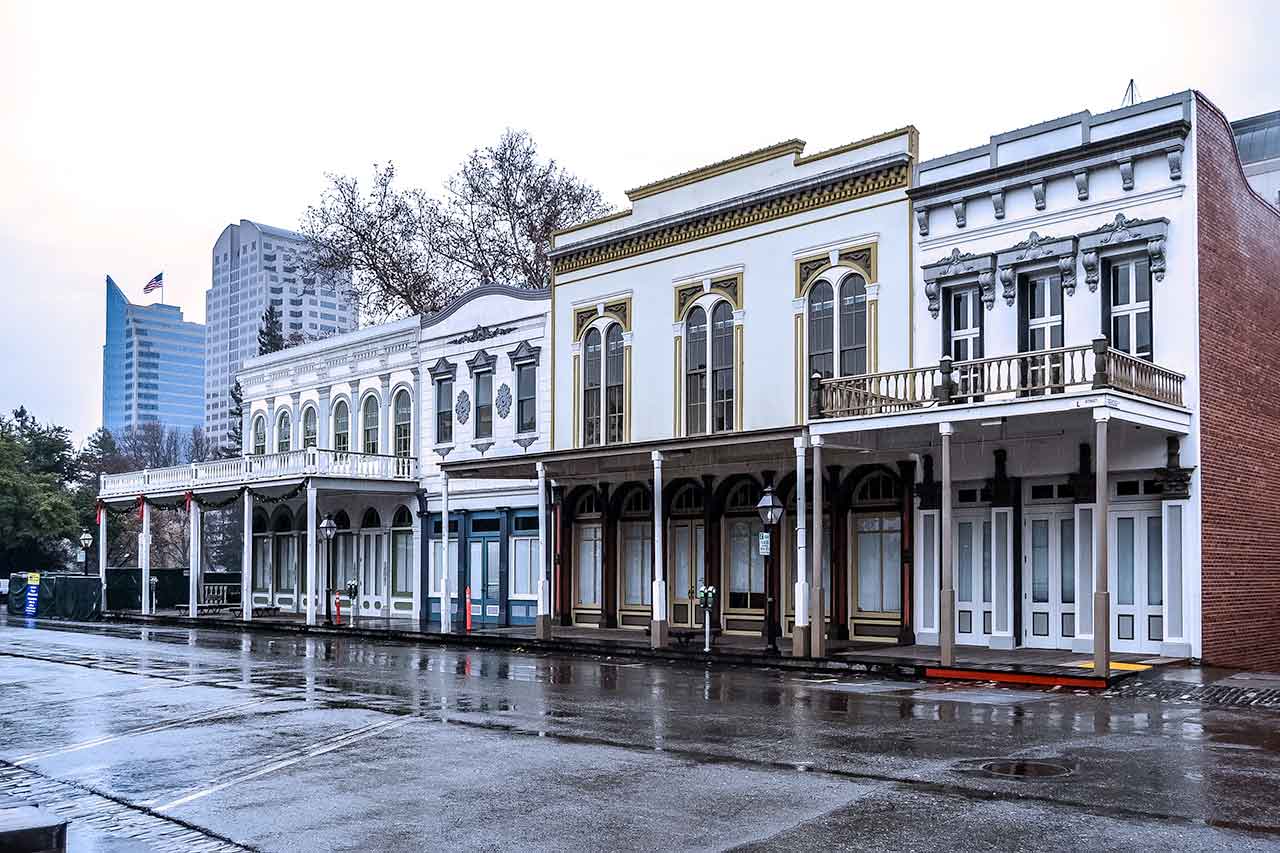
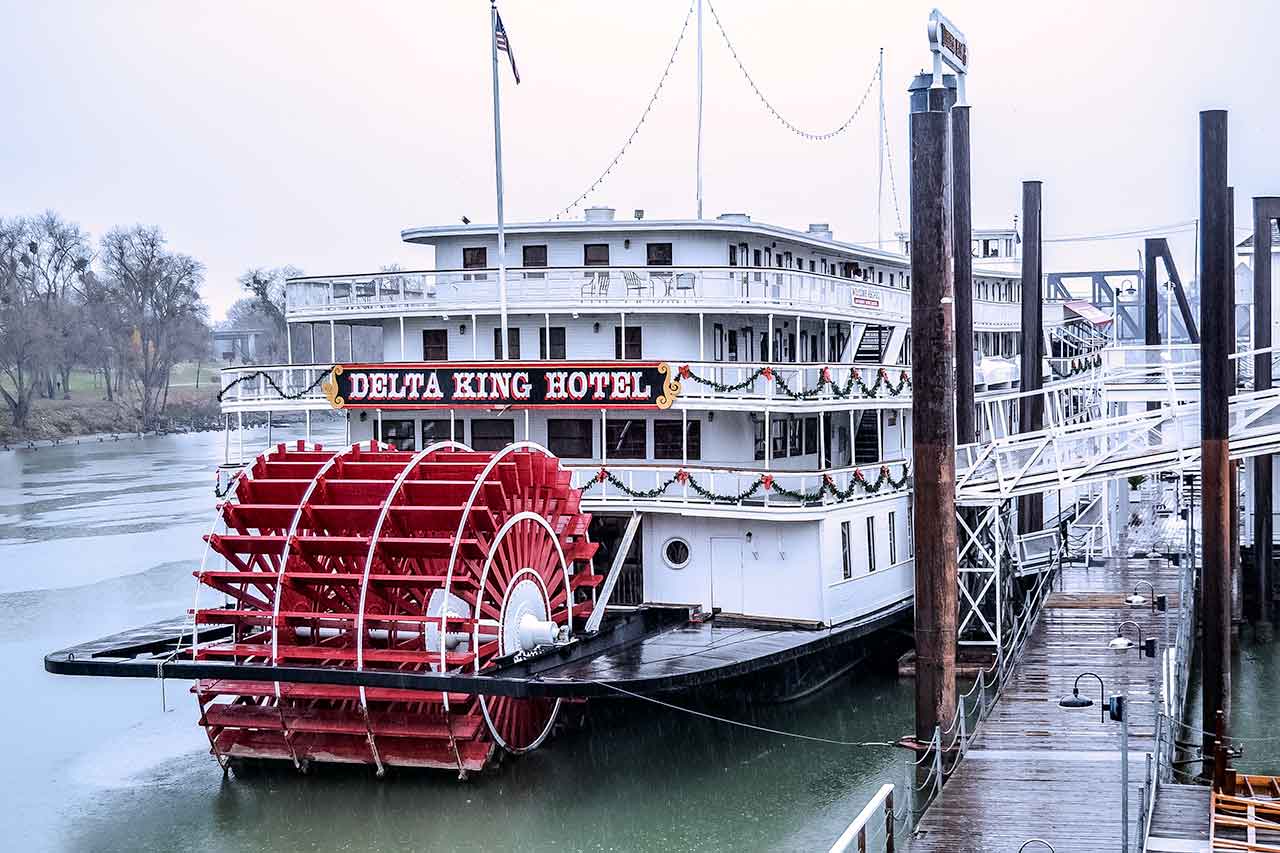
A few blocks of buildings from the Gold Rush era, well preserved – Old Sac is small but full of history. Shops, restaurants, and museums occupy original buildings from 1850-1870. The distinctive sound of boards underfoot and the facades from that time make it one of the few places in America where you can feel the atmosphere of a nineteenth-century town without excessive theatricality.
It’s worth coming in the morning before the school trips arrive. In the evening, Old Sac changes its character – fewer families, more open bars and restaurants.
Entrance to the district is free.
California State Railroad Museum
The California State Railroad Museum in Old Sacramento is one of the largest railroad museums in the USA – over 225,000 square feet of exhibits, 21 restored locomotives and cars, admission from 12 USD for adults.
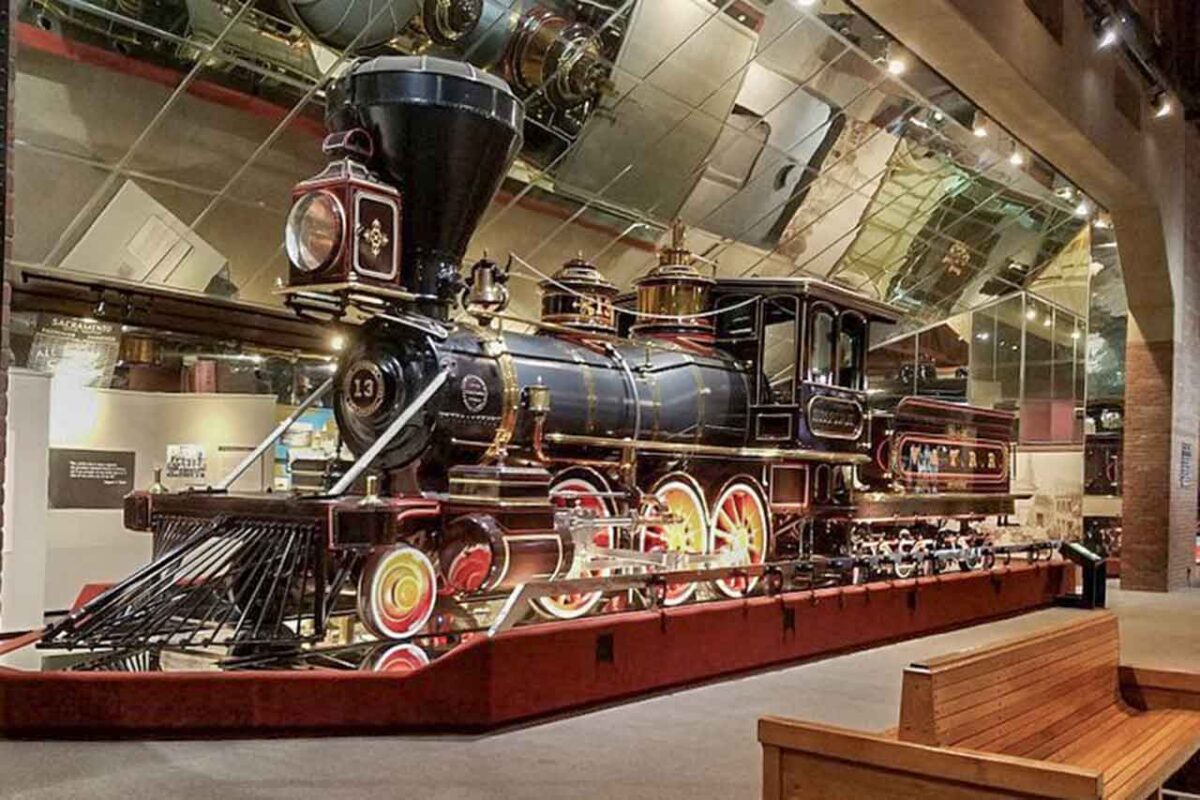
The museum is open daily from 10:00 AM to 5:00 PM (last entry at 4:30 PM), closed on Thanksgiving, Christmas, and New Year’s Day.
Admission prices (as of April 2026, please verify before your visit):
The historic Sacramento Southern Railroad train ride along the Sacramento River is charged separately – tickets are 15 USD for adults, 8 USD for children (6-17 years), children under 5 free. The train runs on weekends from April to September; it is recommended to buy tickets in advance on the californiarailroad.museum website.
The museum is officially affiliated with the Smithsonian Institution – it is not an ordinary local exhibit. Especially great for families with children and for anyone who wants to understand how the railroad built California.
California State Capitol
The California State Capitol is a building from 1874, serving as the active seat of the state government and a free museum open daily from 9:00 AM to 5:00 PM.
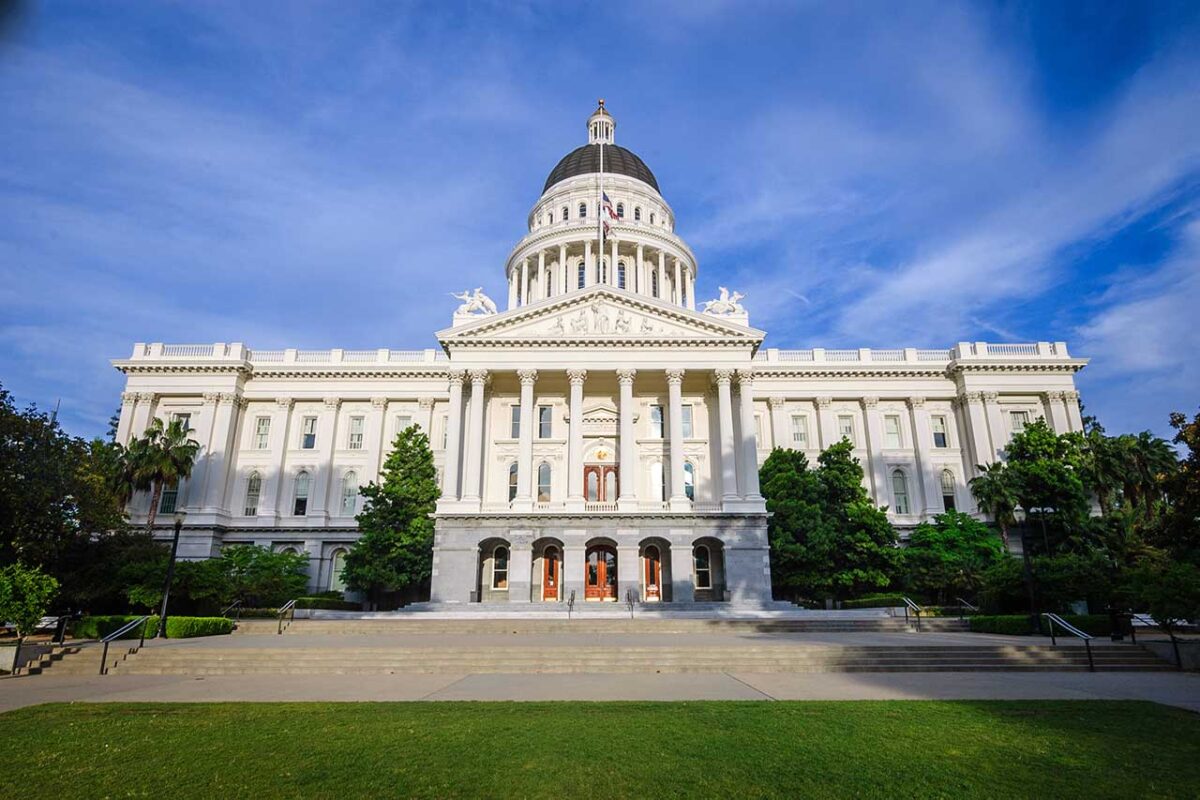
The white building with a dome modeled after the Capitol in Washington impresses already from the outside – especially from the side of Capitol Park with its tree-lined avenues. Inside, free guided tours are offered (lasting about 30 minutes, covering the history of the building and the Transcontinental Railroad).
Free admission. Capitol Park around the building is open 24/7 – in spring, trees from a collection of plants from around the world bloom here, and in summer it is an ideal place for a break during sightseeing.
Sutter’s Fort State Historic Park
Sutter’s Fort is the oldest restored fort on the West Coast, founded in 1839 by Swiss immigrant John Sutter – admission about 5 USD for adults, fort open daily 10:00 AM to 5:00 PM.
Here you will find recreated rooms from the era: forge, bakery, prison cell, warehouses – everything to a scale that allows you to imagine the life of settlers before the Gold Rush. The fort is located in Midtown, about one and a half kilometers from Old Sacramento.
Important information: California State Parks is currently redesigning the historical narrative of the fort, including the perspectives of the native Nisenan and Miwok peoples, whose lands these were and whose labor built this colony. If you visit, it’s worth keeping this in mind.
Crocker Art Museum
The Crocker Art Museum houses the oldest public art collection in the western USA, founded in 1885 – the museum is open Wednesday through Sunday, admission from 15 USD for adults.
The collection includes European painting, California art from the 19th century to contemporary times, and photography. Particularly noteworthy is the collection of 19th-century European watercolorists and ceramic sculpture. The building itself is a 19th-century villa with a modern wing added, a combination that works better than you might expect.
It’s worth checking the current pricing and opening hours at crockerart.org before your visit.
Leland Stanford Mansion State Historic Park
The Leland Stanford Mansion is an 1856 residence restored to its Victorian-era state – free guided tours take you through the original interiors with preserved Stanford family furnishings.
Stanford – co-founder of Stanford University, governor of California, and senator – built this residence overlooking the Capitol. The tour is free, and the guides know every detail of the house’s history. Few people visit compared to other attractions, which makes it all the more interesting.
Cathedral of the Blessed Sacrament
Cathedral of the Blessed Sacrament
The Cathedral of the Blessed Sacrament from 1889 is one of the largest cathedrals west of the Mississippi, with a tower reaching 65 meters – free admission, open to visitors Monday to Friday from 10:00 AM to 4:00 PM.
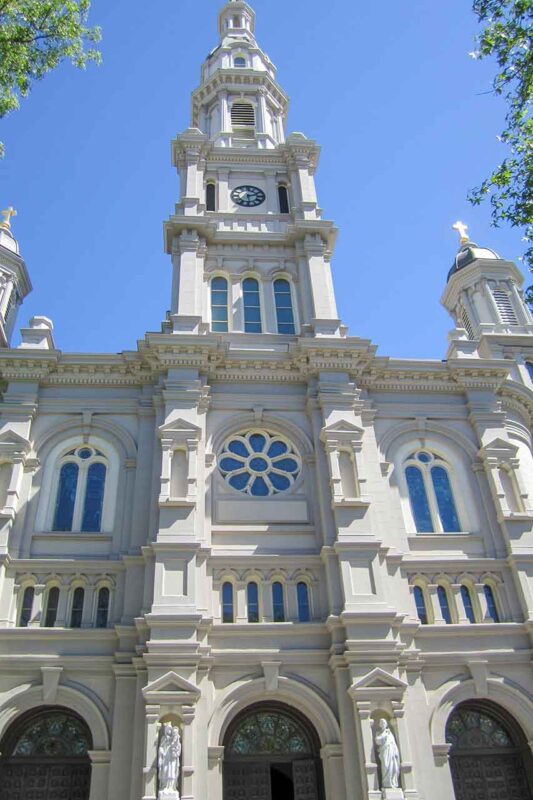
Bishop Manogue was inspired by the Sainte-Trinité Church in Paris, where he studied theology in 1860, and this inspiration is visible in every detail. The exterior architecture is Italian Renaissance; the interior blends Victorian style with later additions. The dome, closed for 70 years for acoustic reasons, was reopened during renovations in 2005.
Noteworthy inside: stained glass windows, an octagonal marble baptismal font at the entrance, and a restored dome canopy with sixteen medallions. The atmosphere is calm even with tourists – the cathedral is an active place of worship, so there is a natural selection of noise levels.
Free guided tours take place on Wednesdays and Sundays after the morning mass. An audio tour for phones is also available on the parish website (cathedralsacramento.org).
Tower Bridge and a Walk Over the River
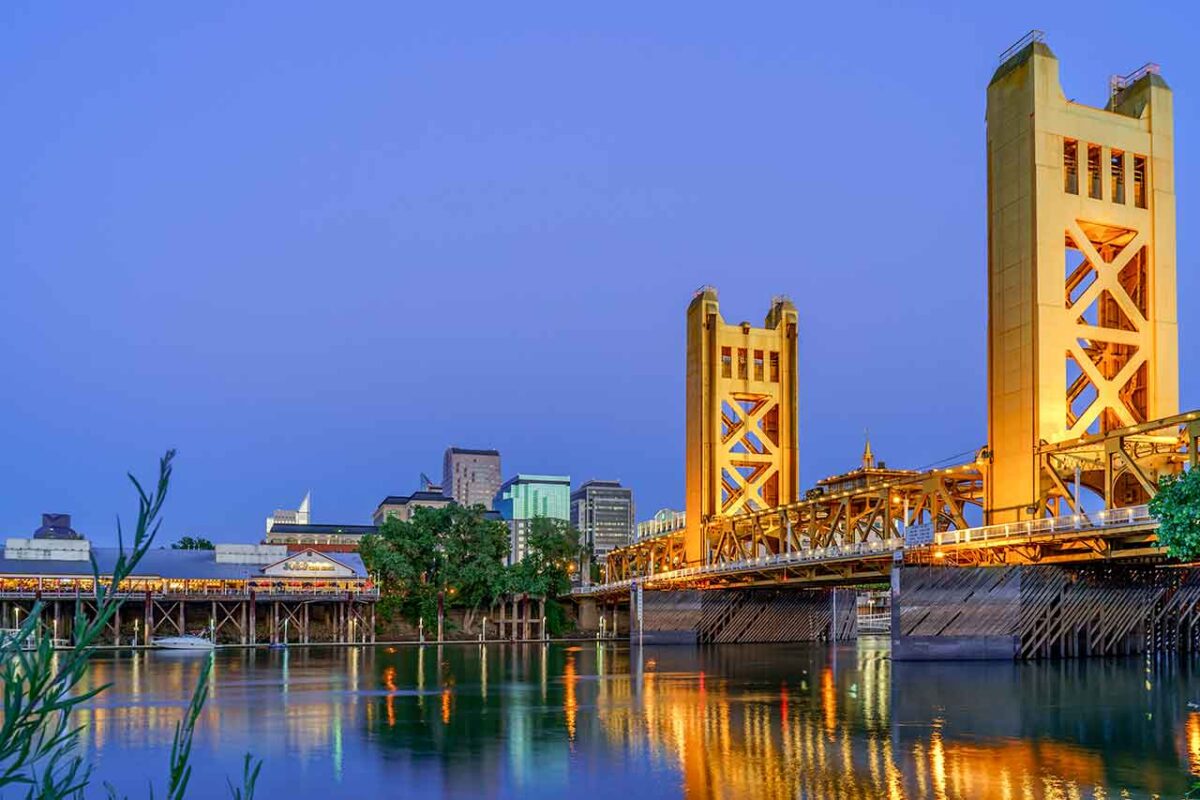
Tower Bridge in Sacramento is a steel bascule bridge from 1935, illuminated in gold in the evenings – one of the most recognizable symbols of the city, and the walk takes 15-20 minutes.
The bridge connects Sacramento with West Sacramento over the Sacramento River. It’s not long, but the view from the bridge of the city and the river, especially at sunset/, is one of those you want to have in a photo. Every September, the Tower Bridge Dinner is held on the bridge – an outdoor dinner prepared by the region’s best chefs.
Nature and Outdoor Activities
Sacramento is surrounded by two rivers: the Sacramento River and the American River, as well as the largest tree canopy in the United States; the city offers over 50 km of bike and hiking trails within its limits.
American River Parkway
The bike and hiking trail along the American River stretches over 50 km from Sacramento to Folsom. Flat terrain, tree shade, river views – ideal for a morning bike ride or run. Several parking lots and bike rental points are located along the trail.
Important note: some sections of the trail have homeless encampments. This is not a reason to avoid the route, but it’s good to be aware of it.
Discovery Park
Where the American River flows into the Sacramento River – Discovery Park is a large area with lawns, picnic tables, and fishing opportunities. A perfect afternoon with family or a sandwich after a morning of sightseeing.
William Land Park
A park with a rose garden, ponds, and the Sacramento Zoo. Quieter, with a more “residential” feel than Capitol Park – good for a moment of relaxation. The Sacramento Zoo is small but well-reviewed by families with young children; check current prices and hours at saczoo.org.
Food in Sacramento: the farm-to-fork capital
Sacramento holds the official title of Farm-to-Fork Capital of America and has several Michelin-acclaimed restaurants – food is taken very seriously here, and local ingredients from the Sacramento Valley make it to tables year-round.
This is not a marketing slogan. Sacramento lies at the heart of one of the most fertile agricultural regions in the world – the Sacramento Valley and San Joaquin Valley produce about 25% of all the food consumed in the USA! The result is clear: restaurants have access to ingredients that restaurants in San Francisco or New York simply can’t boast.
A few specific options:
For dinner at a mid-range restaurant with drinks, expect about 45-70 USD per person. Lunches are much cheaper.
How much time is needed for Sacramento
2 full days are enough for a thorough exploration of Sacramento; 3 days allow adding a day trip to Napa Valley, Gold Rush Country, or Lake Tahoe.
Minimum plan for 2 days:
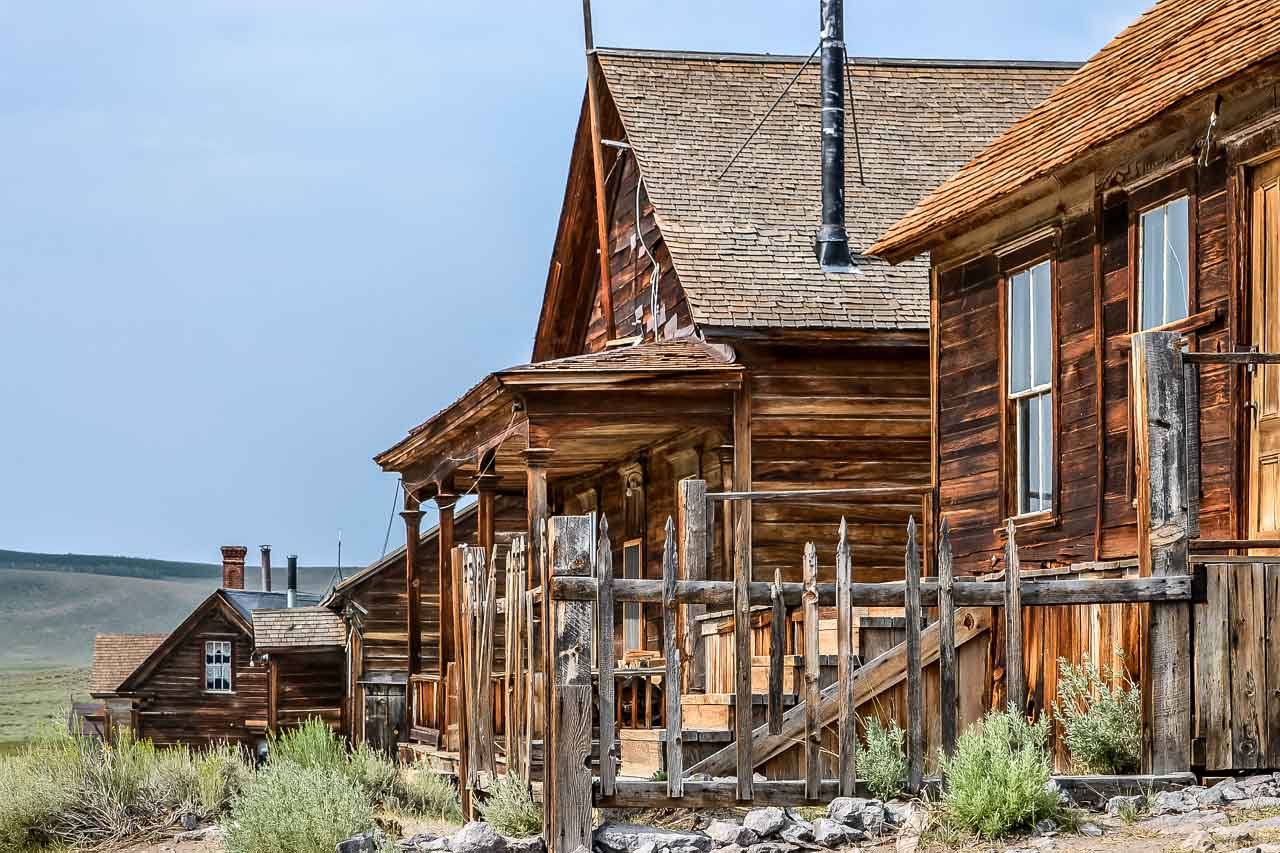
If you have 3 days, add a trip to: Bodie Ghost Town (3.5 hours east) or Napa/Sonoma wine trail (1.5 hours west). Sacramento is a convenient base for all Northern California – Bodie Ghost Town is one of the better day trips.
Approximate budget
|
Traveler type |
Cost / day (excluding accommodation) |
|---|---|
|
Economical |
30-50 USD (free Capitol, Sutter’s Fort 5 USD, lunch from the market) |
|
Average |
80-130 USD (museums, dinner at a mid-range restaurant) |
|
Comfortable |
150-250 USD (Crocker + Railroad Museum + dinner with Michelin Bib Gourmand) |
Accommodation (mid-range, downtown): 90-150 USD / night.
When is the best time to visit Sacramento
Sacramento has a mild climate with over 250 sunny days a year; the best time to visit is spring (March-May) and autumn (September-November) – summers can be very hot, with temperatures regularly exceeding 38°C.
Autumn has an additional advantage: in September, the Farm-to-Fork Festival takes place at the Capitol as well as the Tower Bridge Dinner – the two biggest culinary events of the year. If you’re planning a culinary trip, September is the best time.
Winter is mild (10-15°C), occasionally rainy, but definitely bearable by European standards.
Frequently Asked Questions
How much time do you need for Old Sacramento?
For a relaxed walk with a visit to the California State Railroad Museum, 3-4 hours are enough. If you want to take the historic train ride or attend an event, plan a full day.
Is Sacramento safe?
The main tourist areas – Old Sacramento, Downtown and Midtown – are safe and busy. As in any large city, some areas require more attention, so at night it is better to stay on main streets.
Do you need a car to visit Sacramento?
Not for the city center itself. Old Sacramento, the Capitol, Midtown and most museums are within walking distance or easy to reach by light rail or Uber. A car is useful mainly for day trips outside the city.
How do you get from Sacramento to San Francisco?
You can take the Amtrak Capitol Corridor train in about 2 hours, with tickets from around 28 USD, or drive along I-80 in about 1.5-2 hours, depending on traffic.
Is Sacramento worth visiting on the way to other places in California?
Definitely. If you fly into SMF instead of SFO and plan a Northern California road trip, Sacramento is a good starting point. Napa Valley, Lake Tahoe, Gold Rush Country and Big Sur are all within a few hours’ drive.
Prices and opening hours for April 2026 – it is worth verifying on the official websites of individual attractions before your visit.