Italiano
 Polski

SoHo: key facts
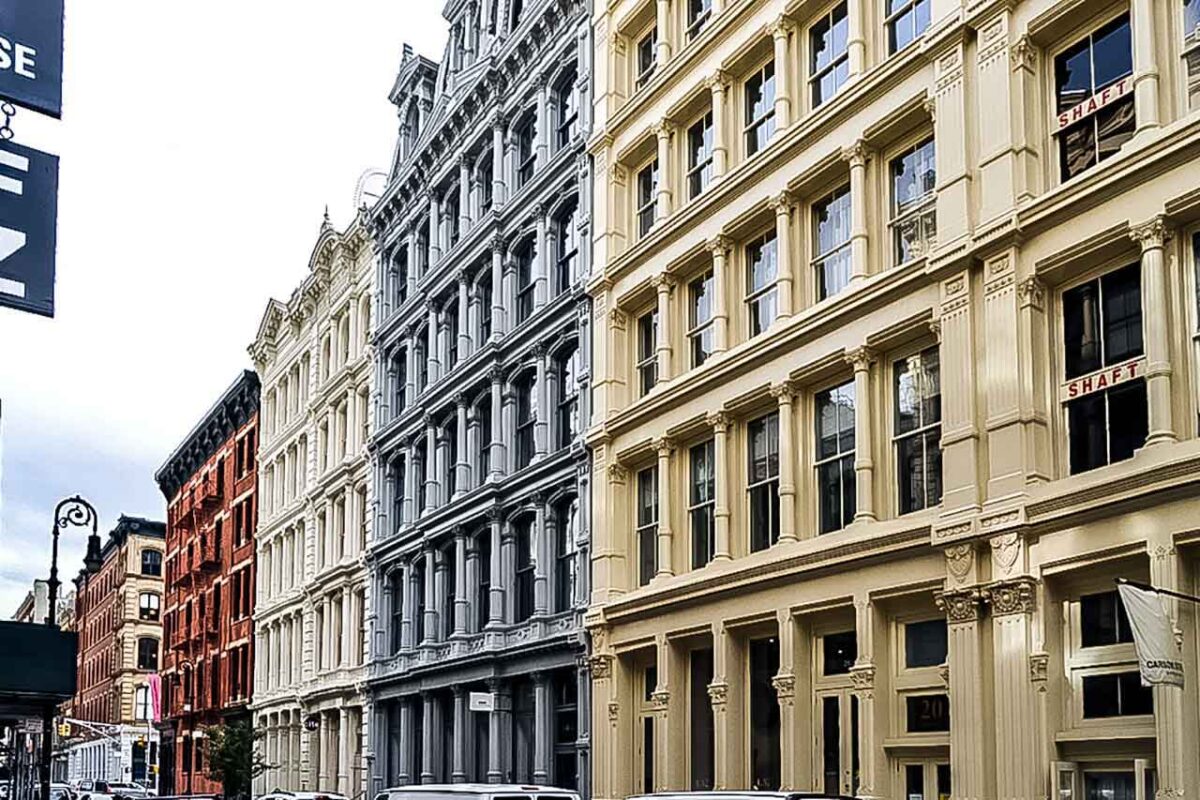
The district offers a unique blend of history, art, fashion, and luxury living, attracting both tourists and residents. SoHo is particularly known for its distinctive cobblestone streets and historic cast-iron buildings. The roots of SoHo date back to the 17th century when the Lenape and Canarsee tribes settled in these areas. In the mid-17th century, SoHo became the site of Manhattan’s first free Black settlement, founded by freed slaves.
From an industrial hub to an artistic oasis in Manhattan
The transformation of SoHo began in the 1960s, when artists were drawn to the spacious and affordable lofts in former industrial buildings. The influx of creatives created an active artistic community that reshaped the character of the neighborhood. In the 1970s, SoHo gained historic district status, which helped preserve its architectural heritage.
Today, SoHo remains a center of art and culture. However, many artists and galleries have relocated due to rising costs.
What is worth seeing in SoHo, New York?
Cast iron buildings in SoHo
SoHo is famous for its impressive collection of cast iron buildings, reflecting the neighborhood’s industrial past and architectural innovations. This style developed in the 1840s and 1890s as the district transformed from a residential area into an industrial hub. At that time, there was a need to build factories and warehouses, and cast iron became the ideal material for their construction. Prefabricated elements were cheaper and quicker to assemble than traditional stone structures, giving buildings a grand appearance at a small cost.
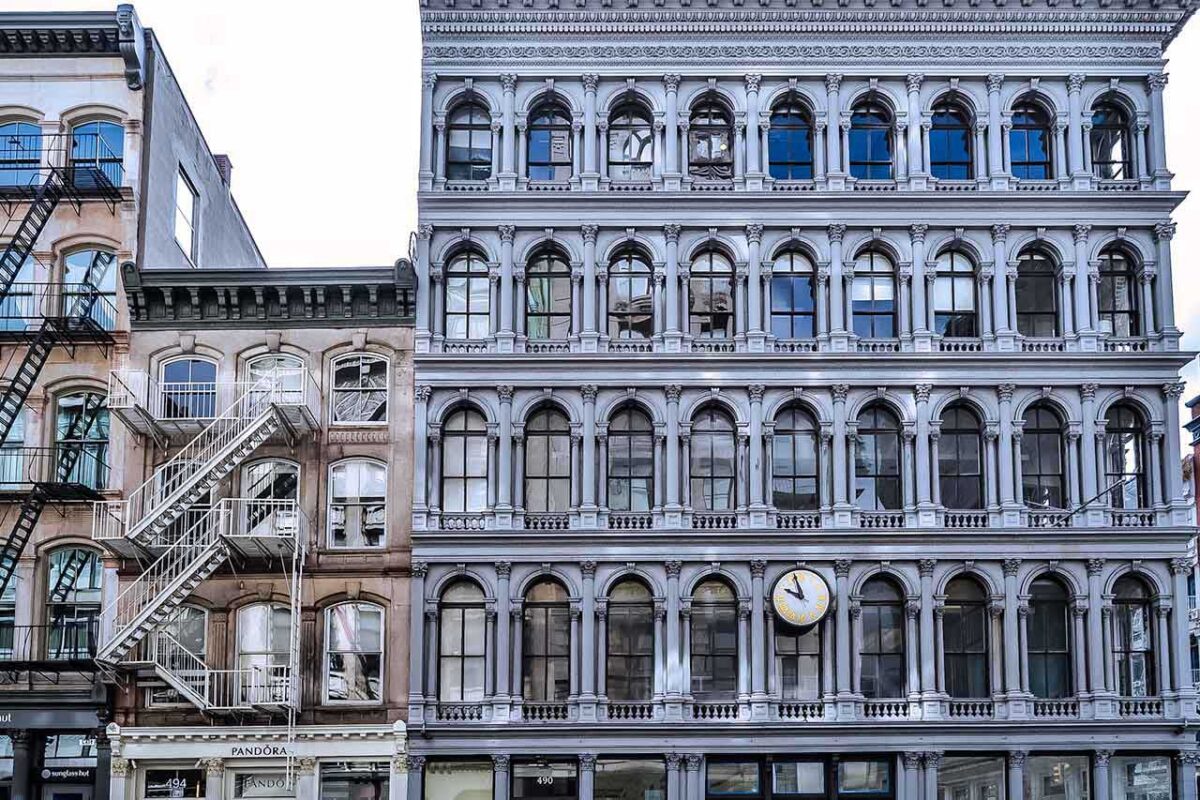
The characteristic features of these buildings are richly decorated facades adorned with columns, cornices, and balustrades. Their large windows allowed for greater glazing, which was practical in industrial buildings. Cast iron also enabled open interiors, supported by central columns, providing flexibility in space arrangement.
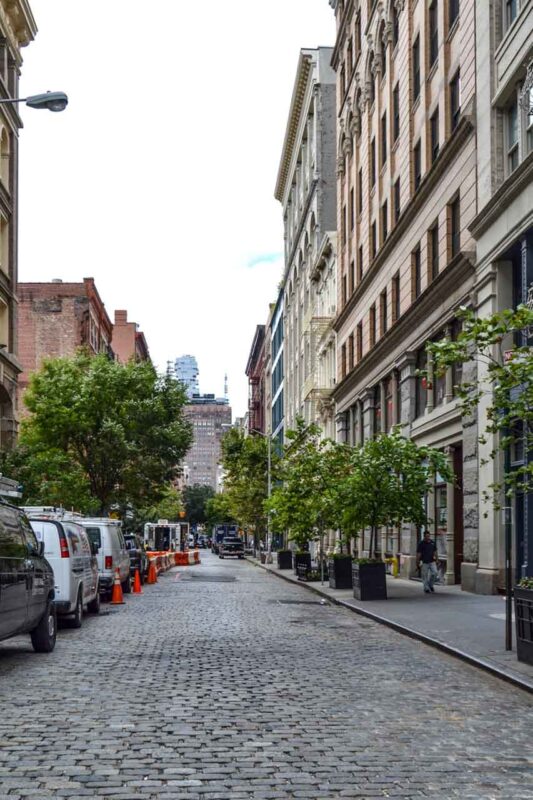
The streets of SoHo, paved with Belgian blocks, such as Crosby, Mercer, Greene, and Wooster, add historical charm to the neighborhood. This is another element distinguishing this part of the city.
Famous buildings
SoHo is home to several significant cast iron buildings that perfectly represent the neighborhood’s architectural heritage. These are places worth seeing during a visit to this area.
“The Queen” of Greene Street
‘The Queen’ of Greene Street (28-30 Greene Street): this six-story warehouse is distinguished by its mansard roof and decorative attic windows. It is one of the most characteristic examples of cast-iron architecture, surrounded by buildings in various styles, illustrating the architectural diversity of the district.
The Haughwout Building
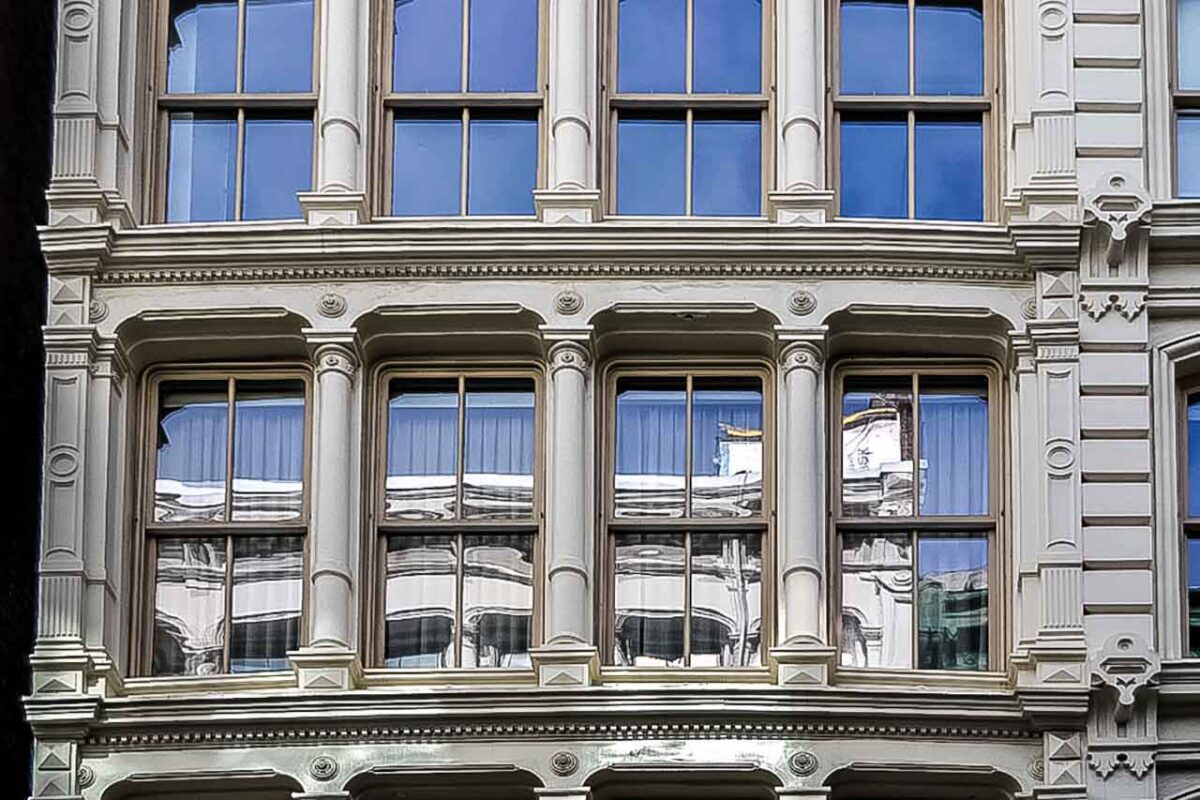
Haughwout Building (488 Broadway): built in 1857, it has the oldest complete cast-iron facade in New York. Its 92 arched windows and Corinthian columns showcase the elegance of cast-iron design. It is also a historical site where the first passenger elevator in the United States was installed, marking a breakthrough in building technology.
“The King” of Greene Street
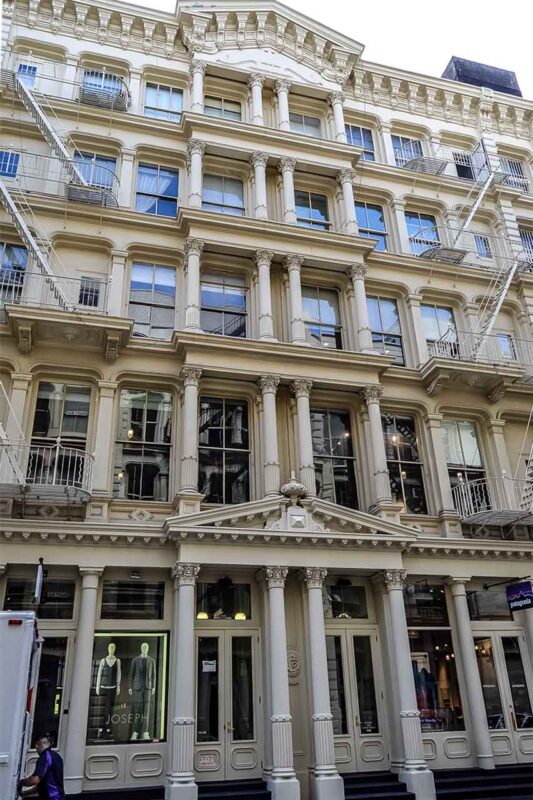
The Little Singer Building
The Little Singer Building (561 Broadway) is an early skyscraper from 1903. It stands out with its intricate terracotta sculptures and delicate wrought iron decorations, illustrating the development of cast iron architecture into more complex forms.
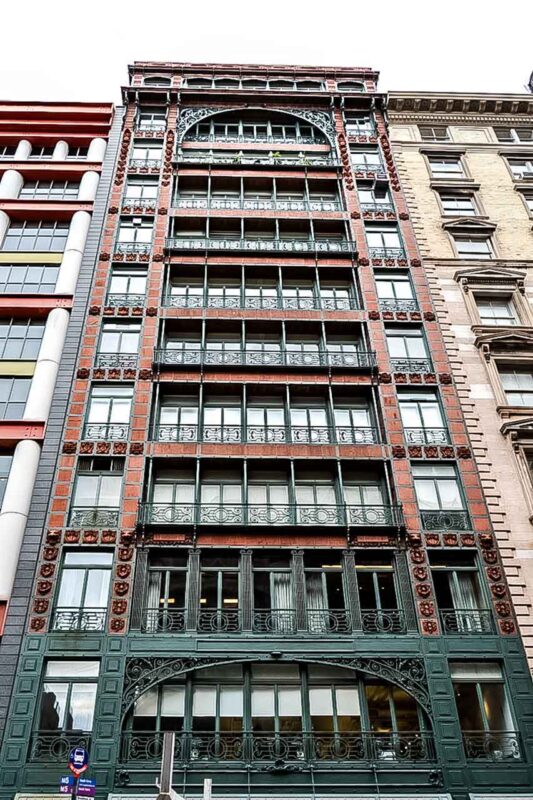
The Cable Building
The Cable Building (611 Broadway), located on the edge of SoHo at the intersection of Broadway and Houston Street, was designed by Stanford White. It played a crucial role in the city’s transportation system as a terminal for the cables powering streetcars.
The preservation of these buildings led to the creation of the SoHo Cast Iron Historic District, ensuring the protection and continuation of this architectural heritage. Walking the cobblestone streets and admiring the intricately crafted details, one can feel the atmosphere of Industrial New York. SoHo reveals its evolution, becoming the vibrant center we know today.
Art Galleries in SoHo
The district still remains an important artistic center of New York. Although many galleries have moved to other districts, such as Chelsea or the Lower East Side, West Broadway is a street where many can still be found.
On the streets of Prince and Spring, especially on West Broadway, you can find artists selling their artworks on the sidewalks. The quality of these works varies – from noteworthy pieces to more touristy souvenirs.
Hidden gems in SoHo
SoHo is a district that hides many less-known but fascinating places with rich history and extraordinary architecture. In addition to popular attractions like luxury boutiques and art galleries, SoHo also offers hidden treasures worth discovering. Below you will find some of them – from unique cast-iron buildings to mysterious bars and artistic installations.
Fashion in SoHo
SoHo is recognized as a fashion hub, attracting both trendsetters and shopping enthusiasts. The neighborhood is renowned for its exclusive boutiques, known fashion brands, and a general atmosphere where stylish outfits are the norm.
Luxury shopping locations
SoHo is one of the key points on New York City’s fashion map, especially in the context of luxury shopping. The district offers a wide range of boutiques – from international brands like Chanel and Prada to independent stores offering unique and innovative styles. The cobblestone streets of SoHo are filled with both designer shops and iconic brands like Supreme or Opening Ceremony, attracting diverse tastes and budgets.
The transformation of SoHo into a fashion capital has its roots in its history. As early as the 19th century, well-known brands such as Lord & Taylor and Tiffany & Company opened their stores there. This early presence in the fashion world initiated SoHo’s later evolution into a shopping mecca. The influx of artists in the mid-20th century also contributed to a unique blend of creativity and style, attracting a new wave of fashion enthusiasts.
Celebrity Encounters
SoHo additionally gains a reputation as a fashion center due to the presence of celebrities. The neighborhood is a popular spot where actors, musicians, and fashion icons are often seen shopping or dining. Streets such as Mercer Street, Prince Street, and Lafayette Street especially attract stars due to the numerous designer shops, art galleries, and luxury restaurants.
Stylish Atmosphere of SoHo
In addition to specific shops and brands, the South of Houston stands out for its overall fashionable atmosphere. Residents are known for their stylish attire, further enhancing the neighborhood’s reputation as a trendsetting locale. SoHo is a place where ‘fashion meets style,’ attracting and inspiring visitors from various backgrounds.
Where to eat in SoHo?
SoHo also boasts a rich culinary scene, offering a wide range of restaurants and exciting nightlife possibilities.
Famous Restaurants in SoHo
Less-known restaurants in SoHo
Other dining options
It is also worth mentioning other places for food in SoHo and the surrounding areas.
Where to stay in SoHo?
Here are some recommended accommodation options:
Luxury Hotels
Boutique Hotels
Affordable accommodation options
These proposals include both luxury and more affordable options, so everyone can find something suitable
Getting to SoHo
SoHo is located in Lower Manhattan. Here are some ways to get there from Midtown once you’re in New York:
Exploring with a local guide
To get to know the neighborhood better from a local perspective, consider taking a walking tour with an experienced guide.
Below you will find some recommended walking routes that will allow you to discover SoHo’s hidden treasures and fully experience its unique character:
Summary: Is it worth visiting SoHo?
SoHo is a place you really must visit if you want to feel the magic of New York City. Walking through these atmospheric, cobblestone streets, you can almost hear the city’s history. Every building, every café, and gallery tells its own unique story. Here, you’ll find not only luxury boutiques but also hidden corners filled with art and creativity. SoHo has that elusive charm that makes you want to return. If you’re looking for inspiration and want to feel the true spirit of New York, SoHo will definitely enchant you.